
Imagine walking up to customs after a long international flight and being told that a suitcase connected to your name has been flagged.
You say, “That’s not my bag.â€Â
Then the officer points to the luggage tag and says, “Then why is your name on it?â€Â
That is the nightmare behind a luggage scam travelers need to understand in 2026. It is called baggage tag switching, and it is exactly what it sounds like: the luggage tag from an innocent passenger’s checked suitcase is allegedly removed and placed onto another bag.

Turn travel ideas into a real plan
Use video notes, Trip.com planning checks, and printable booking logs in one free PDF.
According to a W5 investigation, innocent passengers flying from Canada have been detained after their real luggage tags were allegedly moved onto suitcases containing illegal drugs. The investigation focused on flights from Canada and alleged cases connected to Toronto Pearson, but the larger lesson applies to travelers everywhere: once your checked bag disappears behind the counter, you are trusting the system to protect your luggage, your tag, and your name.
Why This Luggage Scam Matters in 2026
We have traveled to more than 130 countries on all seven continents, and checked bags have always been part of travel. But the old habit of simply handing over your suitcase and hoping for the best needs an update.
In 2026, protecting your checked luggage is not just about stopping theft. It is about protecting the paper trail that connects you to your bag.
This is part of a bigger shift in how travelers need to think about airport safety, baggage scams, and common airport security mistakes before they fly.
Editor’s note: This article is based on our video about baggage tag switching, which has reached more than 86,000 views on our travel YouTube channel.
Quick Overview: How to Protect Your Checked Luggage in 2026
Before you check a bag, take two minutes to create proof that the bag is yours.
- Take a video of your suitcase before handing it over.
- Film or photograph your bag on the scale.
- Take a close-up photo of the attached baggage tag.
- Keep your baggage receipt until your bag is back in your hands.
- Put a luggage tracker inside your suitcase.
- Photograph the inside of your suitcase before closing it.
- Check your bag carefully when it arrives.
- Report missing, damaged, delayed, or retagged luggage before leaving the airport.
- Never carry anything for someone else.
- If authorities question you about a bag that is not yours, stay calm, ask for legal assistance, and show your documentation.
It also helps to run through a full pre-travel checklist before you leave for the airport so you are not rushing through check-in.
This may sound like a lot, but it takes less than two minutes at check-in. And those two minutes could matter if your name ever gets attached to a suitcase that is not yours.
We covered this luggage tag scam in detail in the video below, including the simple two-minute routine we now recommend before checking a bag.
What Is Baggage Tag Switching?
Baggage tag switching is when the tag printed for your checked luggage is removed from your actual suitcase and attached to another bag.
When you check luggage, the airline prints a baggage tag that usually includes your name, flight, destination, routing information, barcode, and bag number. That tag is the airport system’s way of connecting that suitcase to you.
The problem is that once your bag goes behind the counter, you cannot see what happens next.
In the alleged scheme reported by W5, corrupt baggage or ramp workers could remove a legitimate tag from a passenger’s suitcase and attach it to another suitcase heading to the same destination. If that second bag is intercepted, the paperwork points back to the innocent passenger.
That is what makes this scam so dangerous. You may have done everything right: checked your own suitcase, kept your boarding pass, and boarded your flight. But behind the scenes, one strip of paper may now connect your name to a bag you have never seen.
Most airport workers are honest. Let’s be clear about that. The vast majority are doing hard jobs under pressure, moving thousands of bags through complex systems every day. But a baggage system only needs a few bad actors to create a very serious problem.
Why This Matters for Travelers Everywhere

This story has received attention because of Canadian cases, but this is not only a Canada problem.
The bigger issue is that every major airport has the same basic weak point: you hand over your suitcase, it enters a restricted area, and from that point on, you are relying on the system to protect the tag, the bag, and the records connected to your name.
That is true in Toronto. It is true in New York, London, Paris, Dubai, Bangkok, Mexico City, Sydney, and anywhere else checked luggage moves behind the scenes.
International travel also adds another layer of risk. If your name gets tied to a suspicious bag in another country, you may be dealing with a different legal system, different customs procedures, and possibly a language barrier.
The Government of Canada warns travelers that drug offences abroad can have serious consequences and that you should never carry anything across a border for someone else. The Canada Border Services Agency also specifically reminds travelers that trafficking cannabis or other drugs across the border is a criminal offence and warns people to beware of anyone asking them to carry something.
That is why documenting your own luggage matters. You are not being paranoid. You are creating a simple evidence trail.
How to Protect Your Checked Luggage
Step 1: Take a Video of Your Bag Before You Check It
Before your suitcase disappears behind the counter, take a clear video of it.
Do a full 360-degree view. Show the front, back, sides, wheels, handles, color, brand, straps, stickers, scratches, dents, or anything that makes your bag identifiable.
Yes, you may feel ridiculous filming your suitcase at the airport. Do it anyway. People film lattes. You can film the thing that might keep you out of a holding room.
This video creates a time-stamped record of what your suitcase looked like before it left your hands. If someone later claims a different bag is yours, you have proof of what your actual luggage looked like at check-in.
Step 2: Record Your Bag on the Scale
When your bag is placed on the airline scale, take a quick photo or video showing the weight.
This matters because weight is part of the paper trail. If your suitcase weighed 19 kilograms at check-in and another suitcase connected to your name weighs 32 kilograms, that difference may matter.
You are not trying to become a detective. You are simply creating a record that says this was your bag, this was the weight, this was the condition, and this was the tag attached to it.
That is the kind of simple documentation that can help if your bag is delayed, damaged, retagged, or questioned later.
Step 3: Photograph the Baggage Tag After It Is Attached
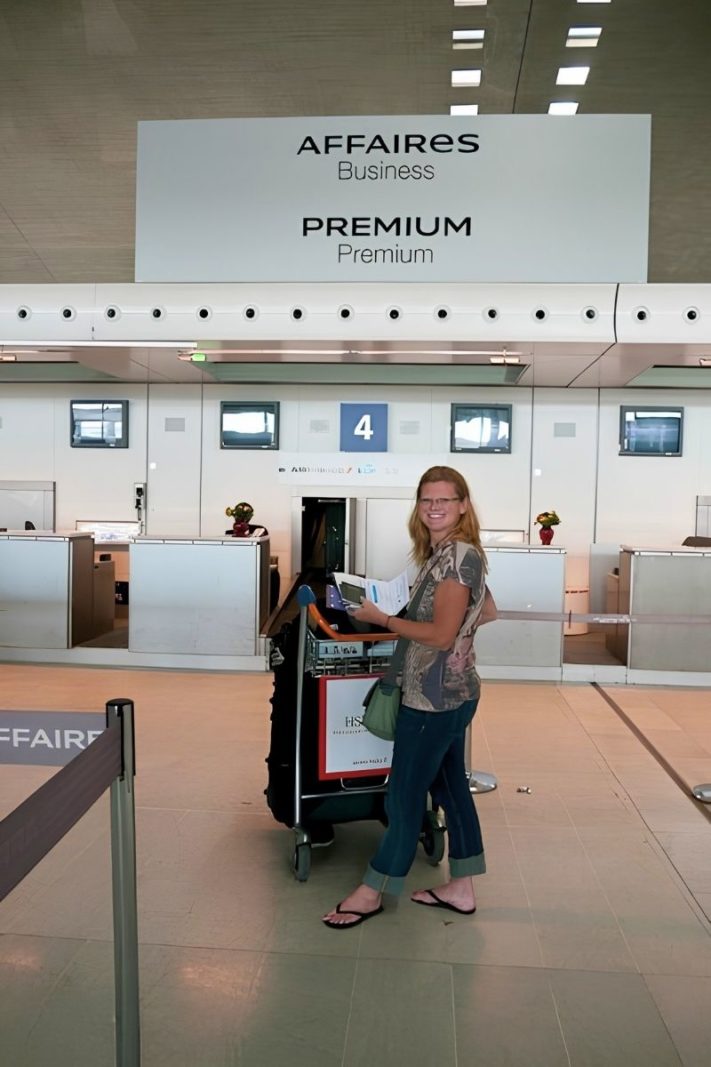
Once the airline attaches the baggage tag to your suitcase, take a close-up photo or video of it before the bag goes onto the conveyor belt.
Make sure you can clearly see the barcode, destination airport, flight number, routing, and bag number. Also check that the airline has looped and attached the tag properly.
You are not being difficult. You are checking the one strip of paper connecting you to your luggage. That little tag is doing a lot of legal heavy lifting.
Air Canada’s own baggage information explains that self-service kiosks can print baggage tags, receipts, and boarding passes, and that travelers then attach the tags and proceed to bag drop. That means passengers are often handling or reviewing this paperwork themselves before the bag disappears into the system.
Step 4: Keep Your Baggage Receipt
Never throw away the little baggage receipt sticker you receive at check-in.
Keep it somewhere safe. Don’t stuff it in a random pocket, lose it before boarding, or assume the airline app is enough. Put it with your passport or travel documents until your suitcase is back in your hands.
That receipt usually contains your bag number. If something goes wrong, that number becomes part of the evidence trail. That number can help airline staff or investigators compare what you checked, what arrived, and whether someone intercepted or retagged another bag.
This is one of the easiest travel habits to fix, and it costs nothing.
Step 5: Take a Photo of the Inside of Your Suitcase
Before you close your checked bag, take one clear photo of the inside.
You do not need to photograph every sock like you are filing a museum inventory. Just take one clear photo of the contents: clothes, shoes, toiletries, chargers, jackets, and the usual chaos of travel.
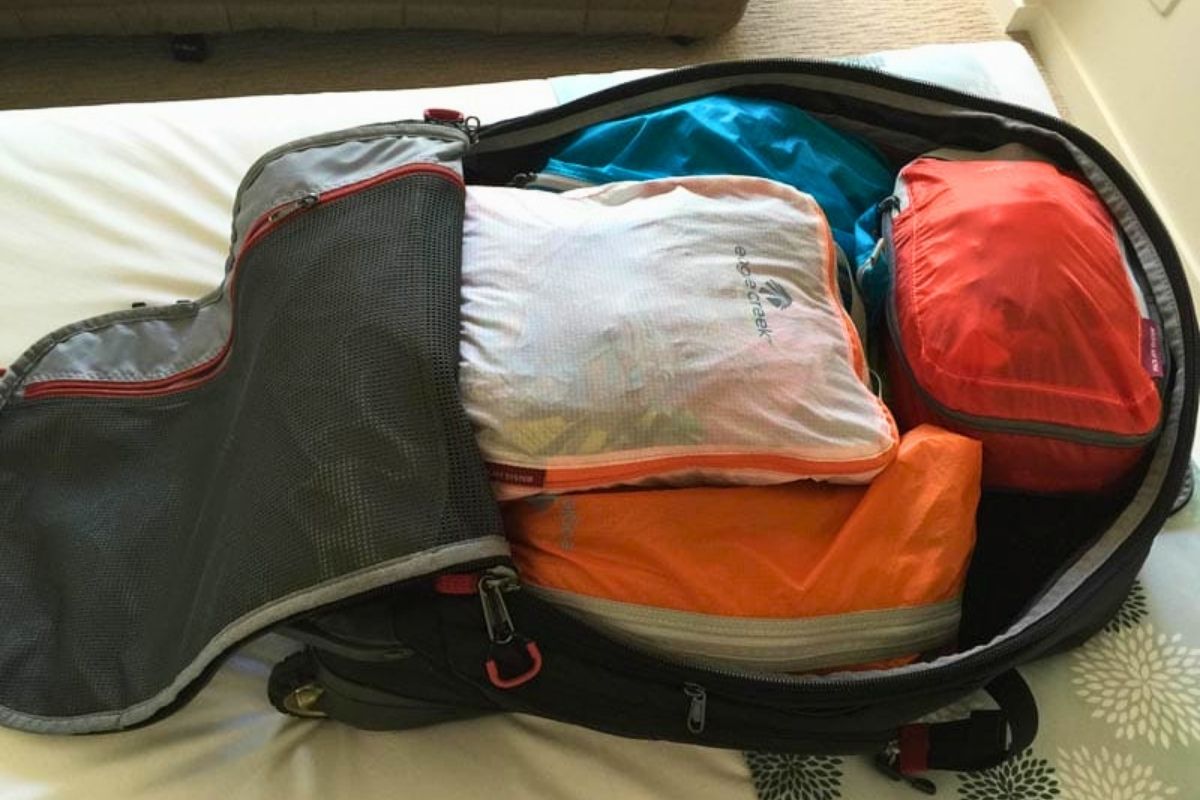
This helps show what you actually packed. If a suitcase connected to your name contains items you have never seen, you have a record of what was inside your real bag before check-in.
This is especially useful on international trips, where proving what you packed may become more complicated once you are outside your home country.
It is also a good reminder to double-check what not to pack in checked luggage before you leave for the airport.
Step 6: Put a Luggage Tracker Inside Your Bag
A luggage tracker will not stop someone from tampering with a baggage tag, but it can help show where your real suitcase went.
We use Apple AirTags, but there are also Tile trackers, Samsung SmartTags, and other luggage tracking options.
The important thing is this: put the tracker inside your suitcase. Do not hang it outside where it can easily be removed.
If authorities are asking about a suitcase connected to your name and your tracker shows your actual suitcase is somewhere else, that becomes another part of your evidence trail.
Trackers are also helpful if your bag arrives late, gets separated from its original tag, or ends up in the wrong baggage area. They are not perfect, but they give travelers one more layer of information when airline systems fail.
Travel Gear Tip
We use AirTags in our checked bags, but Samsung SmartTags and Tile trackers are also good options depending on your phone. The key is to keep the tracker inside the suitcase where it cannot easily be removed.
We also recommend pairing a luggage tracker with a few simple anti-theft travel accessories especially on longer international trips.
Step 7: Make Your Luggage Easy to Identify
A plain black suitcase is basically the airport version of camouflage.
Make your luggage easier to identify with a bright strap, ribbon, sticker, or distinctive luggage tag. You want to be able to spot your bag quickly and prove what makes it different from hundreds of others.
But do not put too much personal information on the outside. Your name and phone number are enough.
You do not need your home address waving around the baggage hall like an invitation that says, “Please rob us while we’re in Italy.â€Â
Keep luggage identifiable, but not overly revealing.
Step 8: Never Carry Anything for Anyone Else
This rule has always mattered, but it matters even more now.
Never carry a package, gift, suitcase, envelope, or item for someone else. That means no favors for strangers, no “harmless†packages, and no quick airport errands for someone you barely know.
If you did not pack it, you do not carry it.
The CBSA specifically warns travelers to beware of people who ask them to carry anything and notes that consequences for drug trafficking can be serious in Canada and abroad.
That is the cleanest rule in travel: your bag, your responsibility.
What to Do If Your Bag Arrives With a Rush Tag or Damaged Tag
If your checked bag arrives without the original tag, with a damaged tag, with a rush tag, or through a different baggage process than expected, do not just shrug and leave the airport.
- Take photos at the carousel.
- Photograph the new tag or rush tag.
- Photograph the condition of the bag.
- Take screenshots of your tracker location.
- Go to the airline baggage desk.
- Ask for written documentation.
Do not rely on a quick conversation at the counter. Conversations disappear the second you walk away. Written reports create a record.
This matters if your bag was mishandled, delayed, retagged, or separated from its original tag.
What to Do When You Land
When your suitcase comes out at baggage claim, do not grab it on autopilot and leave.
Check that it is actually yours. Look at the tag, compare the bag number against your receipt, check your tracker, inspect the condition, and make sure the contents have not obviously been disturbed.
We have seen people accidentally walk away with someone else’s luggage. It happens more easily than people think, especially after long-haul flights when everyone is tired and half the carousel is filled with identical black suitcases.
Before you leave the airport or customs area, take one minute to confirm everything looks right.
Should You Stop Checking Luggage?
Not necessarily. We have traveled for decades, and carry-on only is not always realistic. Sometimes you need to check a bag, especially on longer trips, family trips, cruises, cold-weather destinations, camera-heavy travel, or extended international travel.
For a smoother trip overall, our easy air travel tips can help before you even reach baggage claim.
For longer flights, our long-haul flight tips can also help make the journey easier before you even get to baggage claim.
The point is not to scare people out of checking luggage. The point is to update your habits.
The old way of checking luggage was simple: check the bag, keep the receipt somewhere, and hope for the best.
The new way is smarter:
- Document the bag.
- Document the weight.
- Document the tag.
- Track the bag.
- Keep the paperwork.
- Check everything when it arrives.
It sounds like a lot, but it takes less than two minutes — and those two minutes could make a huge difference if your name ever gets attached to a suitcase that is not yours.
What to Do If Customs Questions You About a Bag That Is Not Yours
If authorities ever question you about a suitcase that you do not recognize, stay calm.
Do not guess, don’t joke and do not become argumentative.
Ask for legal assistance and show the documentation you collected: your suitcase video, scale photo, baggage tag photo, receipt, tracker information, and photos of what you packed.
This article is not legal advice, but from a traveler’s perspective, the goal is simple: create proof before there is a problem.
If your name is ever attached to a bag you did not pack, your documentation may help show what your real suitcase looked like, what it weighed, what was inside it, and where it went.
The Two-Minute Checked Bag Routine
Before every checked bag disappears behind the counter, take two minutes to create a simple record of your suitcase.
Quick Checked Bag Checklist
- Film the outside of your suitcase from all sides.
- Photograph the inside of your bag before closing it.
- Record your bag on the airline scale.
- Photograph the baggage tag after it is attached.
- Keep the baggage receipt with your passport or travel documents.
- Put a tracker inside the bag.
- Check the tag and condition when your suitcase arrives.
- Report anything unusual before leaving the airport.
That’s it. Two minutes. No drama. No paranoia. Just smart travel.
Final Thoughts
Travel has changed.
Most airport workers are honest, and most checked bags arrive without a problem. But airport systems are massive, complicated, and not completely invisible-proof. Once your bag disappears behind the counter, you are trusting a chain of people, machines, tags, scans, and systems to keep your suitcase connected to your name.
That is usually fine — until it is not.
So before your next flight, take two minutes to protect yourself. Film your bag. Photograph your tag. Keep your receipt. Use a tracker. And never carry anything for anyone else.
The goal is not to travel scared. The goal is to travel smarter.
Because when travelers get smarter, scams get riskier for the people trying to pull them off.
Turn this video into a practical trip plan
Affiliate disclosure: WanderOza may earn a commission if you book through qualifying links, at no extra cost to you. Use the links only when they genuinely help your trip research.
If Airport Luggage Tag Scam Protect Checked Bags in is on your shortlist, compare the travel basics before you lock in dates: hotel location, flexible cancellation, airport timing, tour availability, eSIM coverage, and the transfer from arrival point to your first stay.
- Compare hotels and trip options on Trip.com before you choose your dates.
- Check whether the area near your stay works for early tours, late arrivals, and public transportation.
- Keep one flexible buffer in the itinerary so weather, flight delays, or sold-out activities do not wreck the trip.
Disclosure: WanderOza Travel partners with select travel brands. If you purchase through links on this page, we may earn a commission at no extra cost to you. We do not accept payment for positive coverage.
Answer first: The fastest way to block baggage-tag switching in 2026
- Before check-in: film your suitcase (inside and out), photograph it on the scale, zoom in on the tag + barcode, and save the bag receipt.
- During travel: place a Bluetooth/ULB tracker inside, add a tamper-evident seal or cable/wire lock on your zippers, and keep your tag stub handy.
- At arrival: verify your name and flight on the attached tag before leaving the carousel; if anything looks off, report it immediately at the airline desk and document it.
Why luggage tag switching matters now
In 2026, the paper or thermal tag that links your identity to a checked bag is part of the security trail reviewed by airline operations, ground handlers, and—on some routes—border agencies. News investigations have reported cases where innocent passengers were questioned because a bag bearing their tag contained prohibited items. While airlines continue to refine processes, travelers can lower risk by creating a verifiable record at the handoff point (check-in) and by confirming tags on arrival before exiting the baggage hall.
Your pre-check-in proof kit (2–4 minutes)
- Video sweep: a 10–20 second clip showing the bag exterior, unique marks/scratches, and your name/itinerary page in the same frame.
- Scale photo: a clear photo of your suitcase sitting on the airline scale, showing the airport counter context.
- Tag close-up: a focused photo of the printed baggage tag after attachment—capture the barcode, name (if visible), flight, and bag number.
- Receipt: keep the claim stub and check-in receipt in your passport or wallet; also snap a photo of each.
- Tracker inside: place a small Bluetooth/ULB tracker in an interior pocket (airline guidance on these trackers can vary by carrier; verify before travel).
- Seal the zipper path: add a small cable or luggage metal wire lock that threads through the two zipper pulls and a fixed loop on the bag. A top-rated luggage metal wire lock for frequent travelers is light, flexible, and resists casual tampering; combination models avoid key loss.
- Tamper label: apply a disposable tamper-evident sticker bridging the zipper seam so you can detect if the path was opened.
Departure-day mini itinerary (what to do and when)
- T-24 to T-12 hours: check baggage allowances, prohibited items, and special rules on your airline and any codeshares. Screenshot baggage rules and your booking’s bag entitlements.
- T-6 to T-3 hours: pack valuables and medications in your carry-on only. If you travel light, the best budget carry-on luggage paired with the best backpack for carry on luggage can eliminate checked-bag risk entirely.
- T-2 hours (domestic) / T-3 hours (international): at the counter, do your proof kit steps. Confirm the destination and name on the printed tag before it disappears behind the belt.
- After security: save your gate, bag receipt photo, and tracker app status to an offline notes app.
Arrival playbook: verify, then exit
- At the carousel: inspect the attached tag on any bag that looks like yours. Confirm your name (if printed), flight number, and destination code.
- If the tag is not yours or looks altered: do not remove the bag from the belt. Film a short clip showing the mismatch and walk it to the airline service desk beside the carousel.
- Sample script at the desk: “I located a bag that matches my model, but this baggage tag does not match my details. Here are my photos from check-in and the receipt. Please verify and log a discrepancy.”
- Document: request a file reference/Property Irregularity Report (PIR) number. Photograph the screen or paperwork and note the time, desk location, and staff name badge if permitted.
- Before customs: resolve any tag confusion with the airline on the spot. If directed to speak with airport or border officials, present your check-in proof kit calmly and step-by-step.
How tag switching can occur (and the traveler’s countermeasures)
- Point of vulnerability: queues, crowded counters, and baggage belts during handoff. Countermeasure: keep your bag within arm’s reach until it’s on the scale; photograph the tag immediately after attachment.
- In-transit handling: multiple loading points and belt transfers. Countermeasure: tracker + tamper label + wire lock to detect and deter casual interference.
- Lookalike bags: identical suitcases swapped by mistake. Countermeasure: loud identifiers—bright strap, marker, or tape—and tag verification every time.
Tools that help (quick comparison)
- Bluetooth/ULB tracker: live proximity and last-seen data; great for delayed baggage claims. Confirm your airline’s current stance.
- Luggage metal wire lock: flexible cable resists prying; combination models avoid key hassles. The best luggage metal wire lock for secure travel threads through zipper pulls and a fixed ring.
- Tamper-evident seals: one-time stickers or pull-tight ties that flag interference; discard after each trip.
- Minimalist zip-ties: ultra-light, cheap, and obvious if cut; carry nail clippers in your carry-on to remove at destination.
Group, family, and codeshare tips
- One phone, many bags: photograph all family bags on the same scale with each person’s boarding pass in frame.
- Codeshares: if Airline A checked you in but Airline B operates a segment, save both booking references and both baggage rules.
- Connection buffers: on tight layovers, screenshot your next gate and carousel info from the airline app before landing.
Packing and booking checks that reduce risk
- Carry-on first: if your route permits, the best budget carry-on luggage and a sturdy personal-item backpack can keep essentials with you and avoid baggage-handling entirely.
- eSIM and contactability: install an eSIM or confirm roaming so the airline can reach you quickly if your bag status changes.
- Insurance: consider travel insurance that lists baggage delay/loss terms in writing; keep the policy PDF offline.
- Hotel handoff: when arriving late, message the hotel your ETA. If a bag goes missing, you’ll know where to have it delivered.
- Trip coordination: planning flights, hotels, trains, and airport transfers in one place makes it easier to react if baggage issues arise. Compare hotels and trip options on Trip.com
What to do if your bag arrives retagged or damaged
- Photograph everything: the bag exterior, altered or additional tags, any cuts or adhesive residue.
- Log the chain: time bag appeared, carousel number, who you spoke to, and what was said. Keep this factual and chronological.
- File on-site: create a PIR with the airline before leaving the baggage hall. Request a copy or photo of the file reference.
- Escalate in writing: email the airline’s baggage department within 24 hours (subject: “Baggage Tag Discrepancy – [PIR #] – [Flight #]”). Attach your proof kit images.
- Tracker data: export screenshots showing last-seen times and locations to support your claim.
Common mistakes to avoid
- Leaving the hall before reporting a mismatch—once you exit, it’s harder to establish the timeline.
- Discarding the claim stub or not photographing the tag at the counter.
- Using flimsy novelty locks that snap with minimal force; opt for a cable-style or metal wire lock.
- Relying on memory—always keep timestamped photos and short clips.
Quick checklist: leave-no-doubt documents
- Photos: bag on scale, tag close-up, your boarding pass, and your passport face page (if comfortable).
- Receipts: physical tag stub + digital copy.
- Trip record: booking refs, flight numbers, baggage allowance screenshots.
- Tracker screenshot: device name matches your bag and shows recent pings.
FAQ: airport luggage tag scam and checked-bag safety
What is the airport luggage tag scam?
It’s when a bag’s identity label (the baggage tag) is swapped or altered so a suitcase appears linked to a different passenger. Creating check-in proof and verifying tags on arrival helps protect you.
What proof should I capture at check-in?
A short video of your bag, a photo of it on the scale, a close-up of the printed tag after attachment, and a photo of the claim stub. Keep the physical receipt too.
Are Bluetooth trackers allowed in checked luggage?
Many travelers use them, but airline and regulator guidance can vary by route and carrier. Check your airline’s current policy before flying.
Should I lock my checked suitcase?
Yes—use a cable-style or luggage metal wire lock that threads both zipper pulls. It deters casual access and helps you spot interference. TSA-accepted locks may be opened for screening.
What if my bag’s tag doesn’t match my details at the carousel?
Do not leave the hall. Photograph the mismatch, film a short clip, and report it to the airline desk immediately. Ask for a file reference and note the time and staff contact.