
The quick answer on a hotel room upgrade
A hotel room upgrade is allocated from inventory the property has not sold. That single fact explains almost everything about how to get one: your chances depend less on what you say and more on when you arrive and how full the hotel is.
- Upgrades come from unsold rooms. A full hotel has nothing to give, however politely you ask.
- Timing beats charm. Later check-in on a quiet night is the strongest position.
- Ask once, pleasantly, and accept the answer. Front desk staff have limited discretion.
- A paid upgrade is often good value. At check-in it is usually cheaper than booking the better room.
- Loyalty membership is the single biggest lever. It is free and it changes how you are treated.
Consequently the realistic goal is to put yourself in the situation where an upgrade is easy to give, then make it easy to give to you. That is a process rather than a trick.
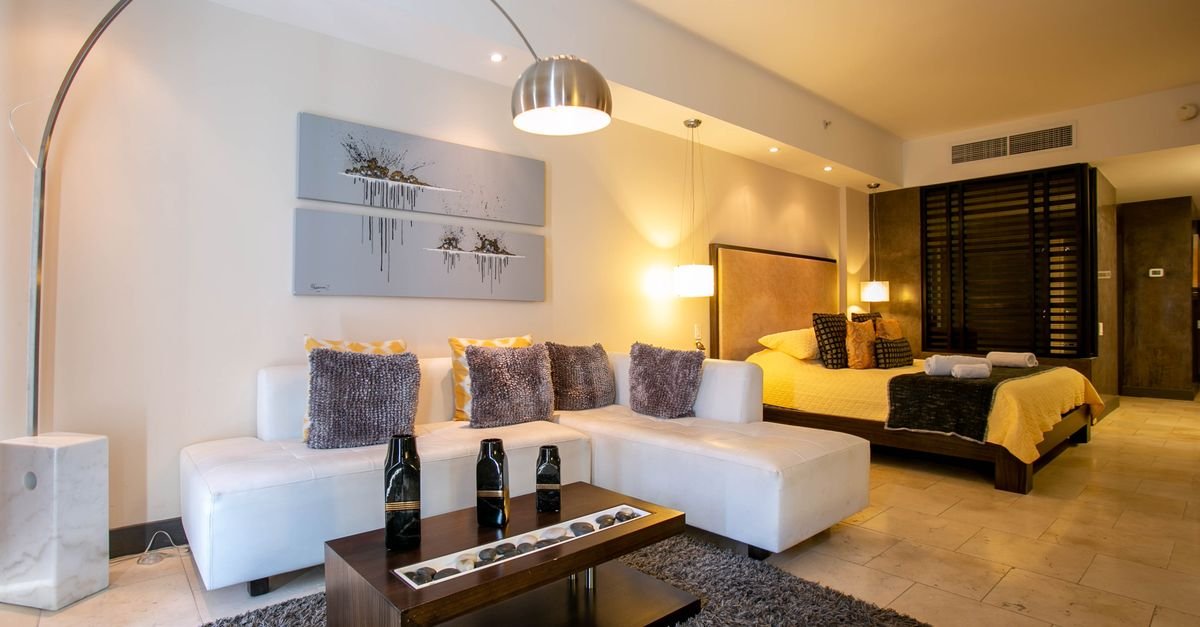
How a hotel room upgrade is actually decided
Front desk systems assign rooms from available inventory, usually the night before or on the morning of arrival. The person checking you in is working within that assignment.

Free download: WanderOza Travel Planning Kit
Compare flights, stays, tours, eSIMs, transfers, and deal rules before you book.
Two constraints shape what they can do. They cannot give away a room that is sold, and they are measured on revenue, so giving away a room that might still sell is discouraged.
That produces a clear pattern. Early in the day, when rooms may still sell, discretion is narrow. Later, when the property knows what will go unsold, discretion widens.
It also explains why the same request succeeds at one hotel and fails at another on the same night. The difference is occupancy, not technique.
What improves your chances of a hotel room upgrade
The table ranks the factors by how much they actually matter, which is not how most advice ranks them.
| Factor | Effect | Cost to you | Notes |
|---|---|---|---|
| Low occupancy | Largest | None | Midweek off-peak beats weekends in leisure cities |
| Loyalty membership | Large | Free to join | Even base tiers are treated differently |
| Elite status | Large | Earned or via a card | Often an explicit published benefit |
| Later check-in | Moderate | None | Discretion widens once the night is clear |
| Booking direct | Moderate | Sometimes a little more | Agency bookings are often lowest priority |
| Longer stay | Moderate | None | Properties value multi-night guests |
| Paid upgrade offer | Reliable | Modest | Often cheaper at check-in than at booking |
| Special occasion | Small | None | Pleasant to mention, not a lever |
| Asking firmly | None or negative | Goodwill | Pressure reduces discretion rather than increasing it |
A framework for getting a hotel room upgrade
Four steps. Three happen before you reach the desk.
Loyalty membership is the cheapest lever
Joining a hotel programme costs nothing and takes two minutes, and it changes your position more than any phrasing at the desk.
Even base membership usually brings a member rate, sometimes free wifi, and a profile the property can see. Properties are measured on programme engagement, so a recognisable member is a different guest from an anonymous booking.
Elite tiers go further, and at many brands room upgrades subject to availability are a published benefit rather than a favour. That matters because a published benefit is something you can reasonably reference.
Status can also come from a credit card rather than from nights stayed, which is worth knowing if you travel infrequently but stay in one brand when you do. Our comparison of hotel points versus cash covers how programme membership interacts with what you pay.
Why booking direct helps
Room assignment frequently reflects the rate you booked and where you booked it.
Deeply discounted agency and opaque rates are often assigned last, because the property earns least from them and has already paid commission. A direct booking at a member rate is usually treated more favourably.
Booking direct also makes everything else easier. Requests attach to your reservation, your profile is visible, and the property can act without going through an intermediary.
That said, do not pay a large premium for the possibility of an upgrade. Book direct when the price is comparable, which it frequently is once member rates are included.

The paid upgrade, which is often the best value
Many properties offer a paid upgrade at check-in, and some email an offer beforehand. These deserve more attention than they get.
The reason they are good value is the same reason free upgrades are possible. The hotel is selling a room that would otherwise go empty, so it will accept well below the published rate for it.
Therefore compare the offer against what the better room would have cost at booking. A modest amount for a substantially better room is frequently the cheapest way to improve a stay.
Two practical points. Ask what specifically changes, since upgrade can mean a higher floor rather than more space. And ask whether the rate is per night, because an attractive nightly figure across a week is a different proposition.
What to say, and what not to
Keep it short and pleasant. Mention that you are a member of the programme, that you are looking forward to the stay, and ask whether anything is available.
What does not work is pressure. Implying entitlement, mentioning reviews, or asking repeatedly narrows the discretion of the person in front of you, because they stop wanting to help.
Equally, inventing an occasion rarely helps and risks being awkward. Mentioning a genuine anniversary is pleasant; manufacturing one is not a strategy.
If the answer is no, accept it gracefully and ask whether a quieter room is possible instead. That is a request the desk can nearly always grant, and it often improves the stay more than extra square metres would.
Choosing a night the hotel will not fill
Because occupancy dominates, picking the night is the most effective thing you can do.
Business hotels in financial districts are busiest midweek and quiet at weekends. Leisure hotels in resort areas are the reverse. A city hosting a conference will be full regardless.
So check whether anything large is happening on your dates. If rates across the city are unusually high, the hotels are full and an upgrade is unlikely.
Conversely, soft pricing is a signal. Where rates are low for the season, occupancy is probably low too, which is exactly when discretion is widest. Our guide to shoulder season timing covers how to find those periods deliberately.
Upgrade certificates, and why they expire unused
Several programmes issue upgrade certificates or instruments as an elite benefit. They are valuable and frequently wasted.
The reason is that they usually apply to a limited set of rate types and require availability in the target category at the time of booking. Both conditions have to hold simultaneously, which is less common than it sounds.
So the practical approach is to plan a stay around the certificate rather than hoping to apply one to a trip you already booked. Check which rates qualify before booking, not afterwards.
Expiry is the other trap. Certificates typically lapse at the end of a membership year, and they are rarely extended. Diarise the date when you receive them, and treat the final quarter as a deadline rather than a buffer.
Where a certificate will clearly go unused, some programmes allow it to be applied to a stay for someone else. That is better than letting it expire.
A hotel room upgrade on an award booking
Redeeming points does not generally reduce your standing for an upgrade, which surprises people.
Most programmes extend elite benefits to award stays on the same terms as paid ones, including upgrades subject to availability. The property is still hosting a programme member, and it is still measured on that.
What differs is the room category the award was booked into. An award at the base category upgrades from there, so a redemption into a higher category costs more points but starts from a better position.
Therefore, if an upgrade matters to you, compare two options. Redeem at the base level and ask, or redeem into the category you actually want. Our comparison of hotel points versus cash covers how to value that difference.
Requests that are easier than an upgrade
Several things improve a stay and are far easier for a hotel to grant than a better room category.
- A higher floor, or away from the lift and ice machine.
- A quieter side of the building, away from a main road.
- A room with a better outlook within the same category.
- Early check-in or late check-out, subject to housekeeping.
- Connecting or adjacent rooms for a family.
- A room that has been refurbished, where a property is mid-renovation.
Asking for the thing you actually want is usually more productive than asking for an upgrade and hoping it delivers it.
When an upgrade is not worth having
Occasionally the better room is worse for you, and it is reasonable to decline.
Suites are sometimes in older parts of a building, or further from the lift, or on a noisier aspect. A larger room on a main road can be less restful than a small quiet one.
Paid upgrades to a club or executive level are worth checking rather than assuming. Where lounge access is the main benefit, it is only valuable if you will use it, and breakfast may already be included on your rate.
So ask what changes before accepting. An upgrade is a means to a better stay rather than an end in itself.
A checklist before you arrive
- Have you joined the hotel’s loyalty programme?
- Did you book direct, or at least add your membership number?
- Is your arrival night likely to be quiet?
- Is anything large happening in the city on your dates?
- Can you check in later rather than at opening?
- Have you noted the specific request that matters most to you?
- Have you checked whether a paid upgrade offer exists?
- Do you know what the better room actually changes?
Independent hotels behave differently
Almost all upgrade advice is written about chains, because chains have programmes and published benefits. Independent properties work on different logic.
Without a loyalty programme there is no tier to recognise, so the levers change. What matters instead is the relationship: booking direct, corresponding politely before arrival, and being a repeat guest if you return.
Independents also tend to have fewer room categories and less rigid revenue management. That cuts both ways. There may be nothing to upgrade to, or the owner may have complete discretion and exercise it freely.
A short, courteous message a few days before arrival often works better at an independent than anything said at check-in. Mentioning the reason for the trip and asking whether a quieter or brighter room might be available is a reasonable request that is easy to grant.
Smaller properties also respond well to flexibility. Offering to take whichever room suits them, rather than specifying one, sometimes produces the better outcome.
What to do when the hotel is clearly full
Recognising a lost cause saves effort and goodwill, and there are still useful things to ask for.
Signals that the property is full include high rates across the city, a queue at reception, and being told that check-in may be delayed while rooms are cleaned. On such a night no upgrade is coming.
Shift the request instead. Ask for a quieter room within your category, or for the earliest available room if you have arrived before check-in time, or for a late checkout which costs the property nothing on a departure day.
It is also worth asking about the following nights. Occupancy varies across a stay, and a property that is full tonight may be half empty tomorrow. A note on your reservation asking to be moved if something opens up is frequently honoured.
That last point is the most underused tactic in this guide. Upgrades mid-stay are easier than upgrades at arrival, because the property knows exactly what is unsold.
Mistakes that cost the most
Asking for an upgrade at a full hotel and being disappointed. Checking in early and expecting discretion. Booking the cheapest agency rate and expecting priority. Asking repeatedly or firmly. Accepting a paid upgrade without asking what changes. Not joining the programme because it seemed like a formality. Each of these is a misreading of how the decision is actually made.
Frequently asked questions about a hotel room upgrade
How do I get a free hotel room upgrade?
Put yourself in a position where one is easy to give. Join the loyalty programme, book direct, choose a night the hotel is unlikely to fill, check in later in the day, and ask once politely. Occupancy matters more than anything you say.
Does asking at check-in actually work?
Sometimes, when rooms are unsold and you ask pleasantly. It does not work at a full hotel, and pressure tends to reduce the discretion of the person checking you in rather than increase it.
Is it better to check in early or late?
Later is generally better for upgrades, because the property has a clearer picture of what will go unsold. Early check-in is better if your priority is getting into a room sooner.
Are paid upgrades at check-in good value?
Often, because the hotel is selling a room that would otherwise stay empty and will accept well below the published rate. Ask what specifically changes and whether the price is per night before accepting.
Does booking through an agency hurt my chances?
It can. Deeply discounted and opaque rates are frequently assigned last, since the property earns least from them. Booking direct at a member rate usually puts you in a better position.
Should I mention a birthday or anniversary?
Mentioning a genuine occasion is pleasant and occasionally helps at the margin. It is not a lever, and inventing one is not a strategy.
Choosing the stay in the first place
Affiliate disclosure: Some links in this guide are affiliate links. If you book through them, WanderOza Travel may earn a commission at no extra cost to you, and it does not change what we recommend.
Because occupancy decides most of this, the dates you choose matter more than anything at the desk. Flights usually set those dates, so they are worth settling first. Compare flights across nearby dates on Aviasales and look for the quieter midweek options.
A better room does nothing for the risks that actually disrupt a trip. Compare travel insurance cover with EKTA before you travel.
How this guide was researched and an important note
This guide is based on how hotel property management systems assign rooms from available inventory, on the published upgrade benefits of major loyalty programmes, and on how rate type and booking channel affect room assignment priority.
We have deliberately not quoted upgrade prices or success rates. Those depend entirely on the property, the night and the occupancy at the time, and a figure remembered from a guide is the most likely thing to be wrong for your stay. The offer that applies to you is the one the property makes.
We research and compare booking mechanics rather than reviewing individual properties. For general consumer guidance on pricing and disclosure, see the FTC consumer advice site and the FTC advertising and marketing guidance.
Last updated .