
The quick answer on last-minute flight deals
Last-minute flight deals are real, but they only exist where an airline has spare capacity it would rather sell cheaply than fly empty. Consequently they appear on soft routes and off-peak dates, and they are absent on exactly the flights most people need.
- Flexibility about destination is the requirement. Not flexibility about dates alone.
- Soft demand is the signal. Off-peak periods and secondary routes are where capacity goes unsold.
- Busy routes punish lateness. On full flights the last seats are the most expensive.
- Watch the whole trip cost. A cheap fare with expensive late accommodation is not a saving.
- Have documents ready. A passport expiring soon or a visa requirement removes most options.
Therefore last-minute buying is a strategy for opportunistic travel rather than a way to save on a trip you have already decided to take.
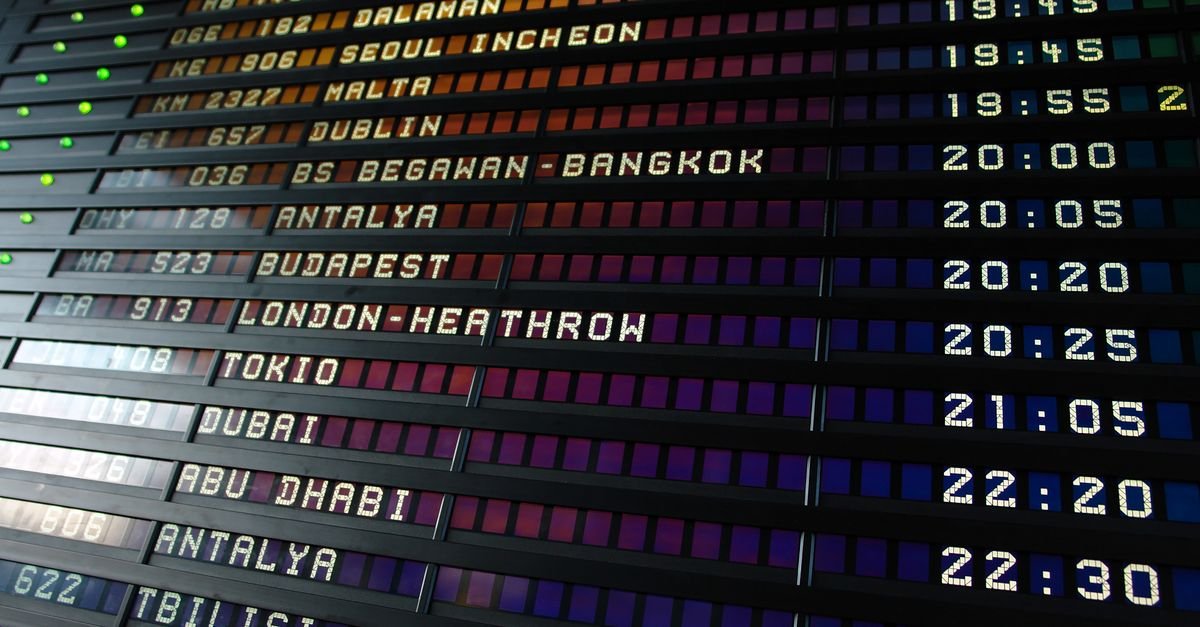
Why last-minute flight deals exist at all
An aircraft seat is perishable. Once the door closes, an unsold seat is worth nothing, and the airline has already incurred nearly all the cost of the flight.

Free download: WanderOza Travel Planning Kit
Compare flights, stays, tours, eSIMs, transfers, and deal rules before you book.
Consequently, where a departure is approaching with seats unsold, selling them cheaply is better than flying them empty. Revenue management systems release cheaper buckets to capture whatever demand remains.
However, this only happens when demand has disappointed. On a flight that is filling as expected, the opposite occurs: cheap buckets close, and the remaining seats are priced for travellers who must travel.
So the existence of a late bargain is a signal about that specific flight rather than a general property of timing. Our guide to the flight booking window explains the underlying mechanism in more detail.
Where last-minute flight deals actually appear
The table sets out where capacity tends to go unsold, and where it does not.
| Situation | Late fares | Why |
|---|---|---|
| Off-peak season on leisure routes | Often cheap | Capacity planned for busier periods |
| Midweek on leisure routes | Often cheap | Demand concentrates at weekends |
| Just after a holiday period | Often cheap | Demand collapses abruptly |
| Secondary and thin routes | Sometimes cheap | Smaller market, less reliable demand |
| Peak holidays | Expensive | Demand certain, buckets closed early |
| Business routes midweek | Very expensive | Priced for travellers who must fly |
| Major events | Very expensive | Demand exceeds capacity |
| Single daily departures | Expensive | Predictable fill, no spare capacity |
A framework for last-minute travel
Four steps. The first is the one that makes the whole approach work.
Searching for last-minute flight deals properly
The method differs from ordinary booking, because you are looking for where the opportunity is rather than pricing a decision already made.
Start with an open-destination search from your airport for the dates you have available. Most search tools offer a map or everywhere view that shows the cheapest destinations rather than requiring you to name one.
Then widen the origin. Including a second nearby airport frequently doubles the options, since soft capacity is route-specific.
Next, look at nearby dates even within a short window. Shifting by a day often moves you from a busy departure to a quiet one, and that is where the cheap buckets are.
Finally, sanity-check the price against the route’s normal level. A fare that is merely average is not a deal, however urgently it is presented. Our guide to travel deal newsletters covers how to avoid booking things you did not want.
Accommodation is usually the problem
This is where last-minute trips fail financially, and it is routinely overlooked while hunting fares.
Hotel pricing late in the cycle behaves much like airline pricing. Where a city is busy, the remaining rooms are the expensive ones, and a cheap flight into a sold-out market produces an expensive trip.
Conversely, soft demand frequently affects both. A destination with unsold seats often has unsold rooms, which is why genuinely cheap late trips tend to be cheap in both components.
Therefore price the accommodation before booking the flight, or at least check that something acceptable exists at a sensible rate. Our guide to last-minute hotel booking covers when late rates fall and when they do not.

Documents, which remove most options
A cheap fare is useless without the right paperwork, and this is the constraint that most often ends a last-minute plan.
Passport validity is the first issue. Many countries require validity for a period beyond your return date rather than merely until it, which quietly rules out destinations if your passport is approaching expiry.
Visa requirements are the second. Some destinations offer electronic authorisation granted quickly; others require an application measured in weeks. The fare does not accelerate it.
Blank pages and entry stamps matter in a few places, as do onward-travel requirements where you must show a ticket out.
Consequently the practical move is to know in advance which destinations you can reach on short notice with the documents you hold. Our guide to passport and visa timing covers how to keep that list current.
When last-minute buying is the wrong approach
- Any fixed commitment, such as a wedding, a conference or a cruise departure.
- Peak holiday periods, where fares only rise.
- Business routes midweek, which are priced for captive demand.
- Thin routes with one daily departure.
- Travel with a group, since late availability rarely covers several seats.
- Destinations requiring a visa you do not already hold.
In these situations waiting is not a strategy but a risk, and the expected outcome is paying more rather than less.
Standby and same-day travel
Standby is sometimes confused with last-minute buying, and it works differently.
Flying standby means travelling on a different flight than booked if a seat is available, usually on the same day. Most carriers restrict it, often to flexible fares or elite members, and basic fares are typically excluded.
It is useful for bringing a return forward when a meeting finishes early, rather than for obtaining a cheap ticket in the first place.
Same-day confirmed changes are the related product, usually for a flat charge, and they are more reliable than standby because the seat is confirmed. Our guide to airline change fees covers how those work.
Error fares and genuine sales
Occasionally a late bargain is not a capacity clearance but a pricing mistake, and that requires different handling.
An error fare can be withdrawn before the ticket is issued, so building a trip around one immediately is risky. The discipline is to wait for a ticket number before committing to accommodation.
A genuine sale is safer, and it usually has identifiable features: specific routes, a booking deadline, and travel date restrictions that exclude peak periods.
Our guide to error fares sets out how to tell the difference and how to protect yourself if one is cancelled.
Packing and practicalities for a short-notice trip
Travelling at short notice rewards simplicity, and a few habits make it workable.
Travel with hand luggage where possible. It removes bag fees from a fare you are trying to keep cheap, avoids the carousel, and makes a tight schedule manageable. Our guide to carry-on size limits covers what will be accepted.
Keep a short list of what you need to leave quickly: documents, chargers, medication, a card without foreign transaction fees. Having that list already written is the difference between a spontaneous trip and a stressful one.
Check connectivity at the destination before you go, since arranging data on arrival is harder when you have not planned. Our guide to travel eSIMs covers the options.
Building a shortlist before you need it
The travellers who benefit most from late availability are the ones who prepared in advance, which sounds contradictory until you see what the preparation is.
Keep a standing list of destinations you would happily visit on a few days notice. That list should account for documents you already hold, flight time you would tolerate, and seasons when each place is pleasant.
Secondly, note which airports you can reach easily. Soft capacity is route-specific, so being willing to depart from two or three airports multiplies your chances considerably.
Thirdly, decide your budget ceiling in advance. Deciding what counts as a good price while looking at an urgent offer is how people talk themselves into average fares.
Finally, keep practical things ready: a valid passport with plenty of time remaining, a card without foreign transaction fees, and a small bag you can pack quickly. Preparation converts a sudden opportunity into a trip rather than a scramble.
Weekend trips against longer breaks
Length changes where the late opportunities are, and knowing that focuses the search.
For a short weekend break, the constraint is usually the return leg. A cheap outbound with an expensive Sunday evening return is common, because that is when leisure demand peaks. Checking Monday returns often fixes it.
For a longer break, accommodation dominates the budget, so a cheap fare matters less than finding somewhere affordable to stay. On those trips the destination choice should follow accommodation prices rather than fares.
Midweek departures and returns are consistently the softest on leisure routes, and they are available to anyone with flexible working arrangements. A trip running Tuesday to Friday is frequently much cheaper than the same trip across a weekend.
Consequently the best late deals are often not about being late at all. They are about travelling when other people cannot, which is a different and more reliable advantage.
A checklist before you book a late fare
- Is the price genuinely below the route’s normal range?
- Is the destination one you actually want to visit?
- Have you priced accommodation for those dates?
- Is the return leg also available at a sensible price?
- Does your passport meet the destination’s validity rule?
- Is any visa or authorisation achievable in the time available?
- Can you travel with hand luggage only?
- Is the fare refundable within the short post-booking window?
Mistakes that cost the most
Waiting for a late fare on a peak date. Booking a cheap flight into a city where rooms are sold out. Treating an average fare as a deal because it was marketed urgently. Discovering a passport validity problem after booking. Paying for checked bags on a budget late fare. Relying on standby without checking whether your fare permits it. Each of these turns a bargain into an expensive improvisation.
Frequently asked questions about last-minute flight deals
Are flights cheaper at the last minute?
Only where an airline has spare capacity it would rather sell than fly empty, which means off-peak dates, midweek leisure routes and secondary markets. On busy routes and peak dates the last seats are the most expensive available.
How late is last minute?
There is no fixed point, because it depends on how a specific flight is filling. The useful signal is whether capacity remains unsold rather than how many days are left, which is why open-destination searching works better than waiting for a date.
What is the best way to search for a late deal?
Search outwards from your airport with an open destination for the dates you have, widen to a second nearby airport, and check adjacent dates. Then compare any candidate against the route’s normal price range before booking.
Should I book the flight or the hotel first?
Check accommodation availability and price before committing to the flight. A cheap fare into a city where rooms are scarce usually produces an expensive trip overall.
Can I use standby to travel cheaply?
Standby is generally for moving to a different flight on a ticket you already hold, and most carriers restrict it by fare type or status. It is not a route to a cheap ticket in the first place.
What should I check before booking a short-notice trip?
Passport validity against the destination’s rule, any visa or electronic authorisation requirement, the return fare, accommodation availability, and whether you can manage with hand luggage.
Finding where the capacity is
Affiliate disclosure: Some links in this guide are affiliate links. If you book through them, WanderOza Travel may earn a commission at no extra cost to you, and it does not change what we recommend.
Because the method depends on letting the cheap routes reveal themselves rather than naming a destination, an open search is the starting point. Compare destinations for your dates on Aviasales and look for where fares are unusually soft.
Short-notice trips leave less time to arrange anything if something goes wrong, which raises the value of cover being in place before you fly. Compare travel insurance cover with EKTA when you book at short notice.
How this guide was researched and an important note
This guide is based on how airline revenue management releases and closes fare buckets as a departure approaches, on the perishability of unsold seat inventory, and on the way hotel pricing behaves late in the booking cycle.
We have deliberately not quoted fares, savings or a number of days that counts as last minute. Those depend on the route, the season and how a specific flight is filling, and a figure remembered from a guide is the most likely thing to be wrong when you look. The comparison that matters is against the normal price range for your own route.
Entry requirements depend on your nationality and change, so verify them with the official source for the destination. We research and compare booking mechanics rather than reviewing individual carriers. For official US guidance on air travel consumer issues including the refund window after booking, see the Department of Transportation aviation consumer protection pages, and for general consumer guidance see the FTC consumer advice site.
Last updated .