
Flying with pets is less about the flight than about the paperwork, and the paperwork has deadlines that start months before departure. People book the trip, then discover the vaccination had to come after the microchip, or that the health certificate is only valid for a window that has already closed. Almost every pet travel disaster is a timing problem.
This flying with pets guide sets out the sequence: what to settle before you book anything, how cabin and hold travel differ, what documents are involved and who issues them, and the questions to ask your airline. It points you to the official sources for your specific route, because pet rules are the one area where a general article cannot be your final answer.
Last reviewed and updated: October 8, 2026. How this guide was researched: this flying with pets guide is desk research, not veterinary or legal advice. Entry requirements are quoted from official agency guidance, cited at the end. Several figures that circulate in secondary coverage are deliberately absent because we could not confirm them on an official page, and rules change, so verify your own case with the agencies before booking.

Free download: WanderOza Travel Planning Kit
Compare flights, stays, tours, eSIMs, transfers, and deal rules before you book.
Flying with pets: settle these before you book anything
When flying with pets the order matters enormously, and booking flights first is how people end up unable to travel.
- Check the destination country’s import rules for your species and for the country you are arriving from. These vary enormously and some combinations are effectively impossible.
- Check the rules for coming back, which people forget. Re-entry can be stricter than departure.
- Confirm the airline will carry your pet on that route, in that season, and in that cabin or hold.
- Measure your pet and the carrier against the airline’s published dimensions rather than guessing.
- Book the veterinary appointments once you know the required windows, not after you have flights.
- Only then book the flights.
The single most common failure is doing step six first. Flights are the easiest thing to change in this list, and the paperwork is the hardest.
Microchip first, then vaccination
This is the rule that catches the most people, and it cannot be fixed retrospectively.
Many destinations require an ISO-compatible microchip to be implanted before the rabies vaccination, so that the vaccination record can be tied to an identified animal. Where that rule applies and the order was reversed, the vaccination is treated as invalid and must be repeated after chipping, which restarts any waiting period attached to it.
If your pet is already chipped and vaccinated, check the dates in the records before assuming you are fine. If the chip post-dates the vaccination, you need to plan around a re-vaccination rather than discover it at a border.
Entry rules are case-dependent, by design
It is tempting to want one answer, but the agencies themselves structure the rules around your specific circumstances.
For dogs entering the United States, the CDC states that which requirements apply depends on whether the dog was in a high-risk rabies country in the 6 months before entry, and on where it was vaccinated. The agency publishes separate requirement pages for each combination, plus a Dog Importation Navigator intended to route you to yours.
On vaccination specifically, the position is more nuanced than most summaries suggest. CDC recommends all dogs be vaccinated against dog rabies, and states that a dog that is not vaccinated and has been in a high-risk country in the past 6 months will not be allowed to enter. Those are two different things, and conflating them is why online advice disagrees with itself.
Dogs must also meet USDA requirements and the requirements of the US destination, and commercial imports carry additional USDA conditions. In other words, three sets of rules can apply at once: the federal animal health agency, the public health agency, and the state or territory you are arriving in.
Because of this structure, treat any general article, including this one, as orientation rather than as your checklist. Run your own case through the official navigator.
Cabin, hold or cargo
Flying with pets comes in three different products with different rules, and the distinction matters more than the words suggest.
| In the cabin | Checked as baggage | Manifest cargo | |
|---|---|---|---|
| Typical size limit | Must fit in a carrier under the seat | Larger crates, airline limits apply | Largest animals and unaccompanied pets |
| You travel with the pet | Yes, at your feet | Same flight, different compartment | Not necessarily |
| Booking | Usually a per-pet fee, limited spaces | Airline-specific, limited spaces | Often via a pet shipping agent |
| Seasonal restrictions | Fewest | Common in heat and cold | Common, and route dependent |
| Breed restrictions | Some | Often strict for flat-faced breeds | Often strict |
| Best for | Small cats and dogs | Medium and large pets on direct routes | Relocations and complex routings |
Cabin spaces are capped per flight and sell out, so the booking has to be made with the airline directly and early. Do not assume a reservation exists because you paid a fee online; confirm the pet is on the booking.
The documents, and who issues them
Most flying with pets paperwork falls into a few categories, and knowing which is which saves a lot of confusion.
- The microchip record, showing the number and the implantation date.
- The rabies certificate, showing the vaccination date, the product, and the microchip number it is linked to.
- An international health certificate, issued by an accredited veterinarian within a set window before travel, usually with government endorsement.
- Destination-specific forms, which may be mandatory and may supersede general certificates.
- Import permits or advance notifications, required by some countries and sometimes before arrival rather than on it.
- Titer test results where a blood test proving vaccine response is required, which can carry a long waiting period after the sample.
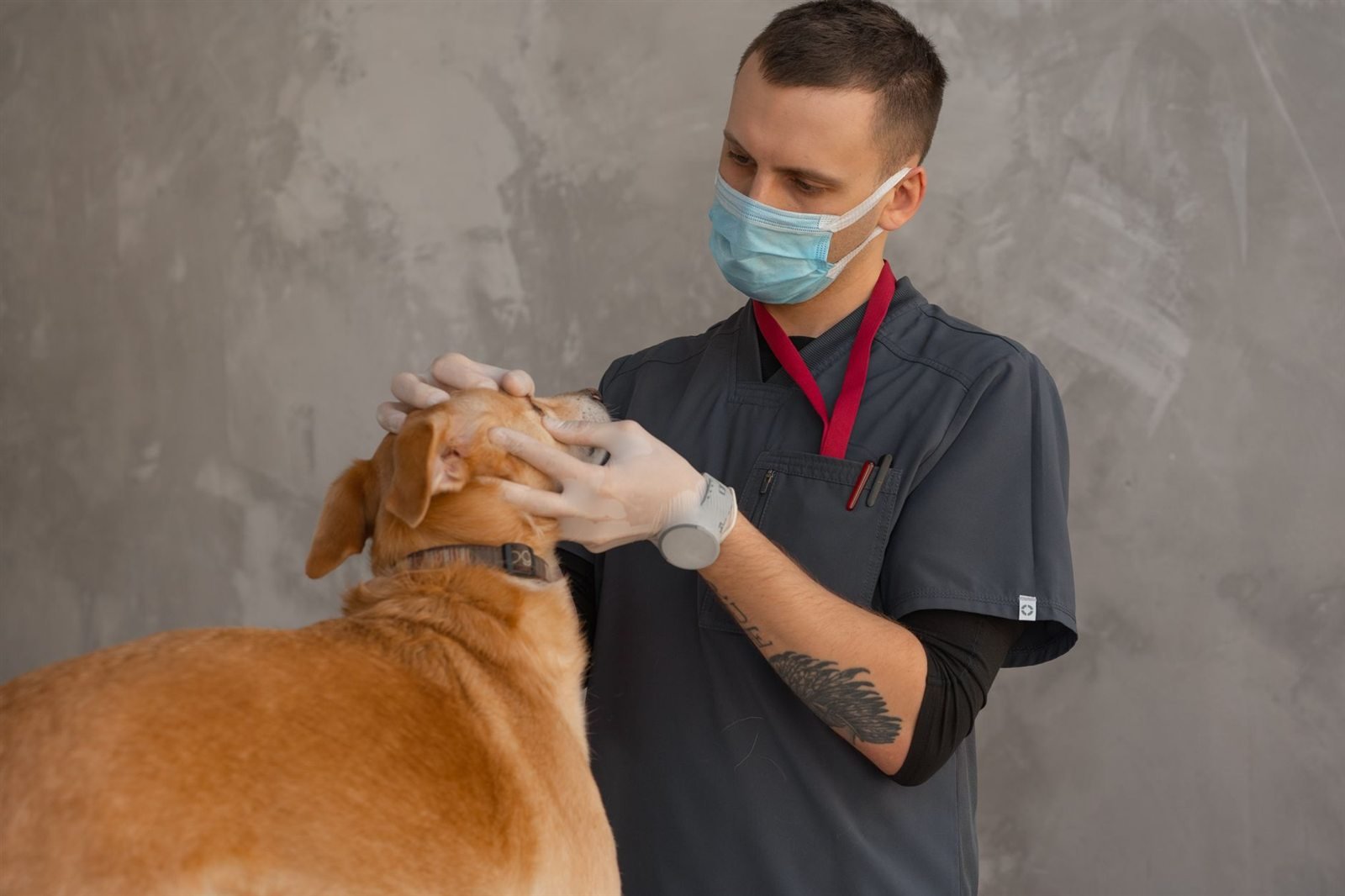
Two practical notes. First, the vet who signs an international certificate usually needs a specific accreditation, so your regular practice may not be able to do it. Ask well before you need the appointment. Second, government endorsement takes time, and that time sits between your vet visit and your flight.
Choosing a flight that suits the animal
Once the paperwork is possible, the routing decides how hard the day is.
Direct flights are worth paying for. Every connection adds a transfer, a period on the ground, and a chance of being separated from the aircraft. For a pet travelling in the hold, a missed connection is a far more serious problem than it is for you.
Season and time of day matter too. Many airlines restrict hold travel in hot or cold weather, and those embargoes can appear after you have booked. Early morning and late evening departures avoid the worst ground temperatures in summer, and the reverse applies in deep winter.
Finally, think about the arrival. Clearing an animal through border formalities takes time, offices may keep limited hours, and arriving late at night in an unfamiliar airport with a crated dog is avoidable with a different flight. Our guide to layover planning covers connection buffers generally, and they matter more here.
Preparing the pet rather than the paperwork
The administrative side of flying with pets gets all the attention, but the animal’s experience is mostly decided in the weeks beforehand.
Crate training is the single most valuable preparation. A crate that appears for the first time on travel day is a frightening object. The same crate, left open at home for weeks with familiar bedding inside, becomes a safe place. Build up gradually to longer periods and short car journeys.
Beyond that, the basics:
- Check the crate meets the airline’s specification for size, ventilation, fastenings and labelling.
- Attach identification to the crate and to the animal, including a contact number that works abroad.
- Follow your vet’s guidance on feeding before travel rather than a general rule from the internet.
- Do not sedate without veterinary advice, as sedation at altitude carries risks and many carriers will refuse a sedated animal.
- Attach a water container that can be filled from outside the crate.
- Include an unwashed item that smells of home, which helps more than it sounds.
That fourth point deserves emphasis. The instinct to sedate a nervous animal is understandable and it is usually the wrong call for air travel. Ask your vet rather than deciding it yourself.
What flying with pets costs beyond the fare
We do not quote prices, because they vary by airline, route, species and size. The categories are predictable, though, and people routinely budget for only the first one.
- The airline’s pet fee, which differs between cabin, hold and cargo.
- An approved travel crate, which may need to be bought rather than borrowed.
- Veterinary appointments, vaccinations and any titer testing.
- Government endorsement fees for certificates.
- Import permits where required.
- A pet shipping agent, if the routing is complex.
- Quarantine or approved facility costs where these apply.
- Ground transport at both ends, since not every taxi will take a crated animal.
The last one is a genuinely common oversight. Arrange airport transfers in advance that accept pets, rather than discovering the limitation with a crate at the kerb. Our airport transfer booking guide covers the options.
Cats, and why they are not small dogs
Most pet travel writing assumes a dog, and cat owners are left to translate. The differences are worth stating.
Cats usually qualify for cabin travel on size alone, which removes the hardest part of the problem. What they bring instead is stress sensitivity: a cat is far more affected by an unfamiliar environment than by the journey itself, so the carrier and the arrival matter more than the flight.
Practically, that means a longer acclimatisation period with the carrier left open at home, a familiar-smelling blanket inside, and a quiet, closed room at the destination for the first day rather than immediate freedom in a new home. Many cats will refuse food and water for a period after travel, which is common and usually resolves, though it is worth discussing with your vet beforehand if your cat has any condition that makes it riskier.
Entry requirements for cats are often similar to dogs in structure but different in detail, including which vaccinations and parasite treatments are required. Do not assume the dog rules apply, and look up the species specifically.
Where a pet shipping agent is worth it
Agents charge for something you could in principle do yourself, so the honest question is when that is money well spent.
The case for using one strengthens with complexity:
- Multi-leg international routings, especially where an airline change is involved.
- Destinations with import permits, approved facilities or quarantine arrangements.
- Large animals that must travel as manifest cargo rather than as accompanied baggage.
- Relocations where you and the animal travel separately.
- Tight timelines where a missed endorsement window would be expensive.
Conversely, a small cat or dog travelling in the cabin on a direct flight to a straightforward destination rarely needs one. In that case the agent is largely booking the things you would book anyway.
If you do engage one, ask what they do and do not handle. Some arrange everything including the veterinary chain; others book the freight and leave the paperwork to you, which is a very different service for a similar-sounding fee.
Arrival day, and the part people have not planned
The flight ends and the trip does not. Arrival is where unprepared pet travel comes unstuck.
Expect the animal clearance process to take time, and expect it to happen in a different part of the airport from ordinary arrivals. Offices may keep limited hours, so a late arrival can mean waiting until the next morning. Check in advance whether the relevant office is staffed when you land, which is an easy question to ask and a miserable thing to discover.
Then plan the ground leg properly. Not every taxi or ride service will carry a crated animal, and some require advance notice, so arrange transport before you fly rather than at the kerb with a tired dog. If you are staying in a hotel for the first night, confirm in writing that pets are accepted and that your specific size and species are included, because pet-friendly is a flexible term.
Finally, give the animal a quiet first day. Flying with pets is more tiring for them than for you, and resisting the urge to immediately show them everything makes the following days considerably easier.
Questions to ask the airline before you pay
Before paying for flying with pets, get these answered in writing, because front-line staff and published pages sometimes differ.
- Is my pet accepted on this specific route and aircraft type?
- Cabin, checked baggage or cargo, and is a space actually reserved?
- What are the exact crate dimensions and specification?
- Are there breed restrictions that apply to my animal?
- What temperature embargoes apply in my travel month?
- What paperwork does the airline itself require, separate from the destination?
- What is the check-in process and how early must I arrive?
- What happens to my pet if the flight is delayed, diverted or cancelled?
That final question is the one most worth asking. The answer tells you how seriously the carrier takes animal welfare, and it is useful to know before you are standing at a desk during a disruption rather than after.
Frequently asked questions
Does my dog need a rabies vaccination to enter the United States?
It depends on where the dog has been. The CDC recommends that all dogs be vaccinated against dog rabies, and states that a dog that is not vaccinated and has been in a high-risk country in the past six months will not be allowed to enter. Which requirements apply depends on that travel history and on where the dog was vaccinated, so check the CDC Dog Importation Navigator for your own case.
Why does the microchip have to come before the vaccination?
So the vaccination record can be tied to an identified animal. Where that rule applies and the order was reversed, the vaccination is generally treated as invalid and has to be repeated after chipping, which restarts any waiting period attached to it. Check the dates in your existing records before assuming you are compliant.
Is it safer for my pet to fly in the cabin or the hold?
Cabin travel is simpler where your pet is small enough to qualify, because the animal stays with you and fewer restrictions apply. Hold travel is routine for larger animals but carries more variables, including temperature embargoes and connection risks, which is why direct flights matter more for a pet than for you.
Should I sedate my pet for a flight?
Not without veterinary advice. Sedation carries risks at altitude and many carriers will refuse a visibly sedated animal. Ask your own vet, who can assess the individual animal, rather than following a general rule found online.
How far in advance should I start planning?
Months rather than weeks for international travel. Some requirements involve a waiting period after a blood test, and health certificates are only valid within a set window before departure, so the sequence has to be worked backwards from the flight date. Book veterinary appointments before you book flights.
Can my regular vet issue the paperwork?
Not always. International health certificates generally require a veterinarian with specific accreditation, and many certificates then need government endorsement, which takes additional time. Ask your practice early whether they can do it, and if not, find one that can before you commit to dates.
Sources and further reading
- CDC, bringing a dog into the United States, including the Dog Importation Navigator
- USDA APHIS Pet Travel, for export health certificates and destination requirements
- IATA, on live animal transport and container requirements
This guide is educational and is not veterinary or legal advice. Requirements differ by species, route and destination and change without notice, so confirm your own case with the relevant agencies, your airline and an accredited veterinarian before booking.