
The quick answer on trip protection at checkout
Trip protection at checkout is the insurance product offered as a tick box while you are paying for a flight or hotel. It is a real policy, sold by an insurer rather than the travel site, and it is usually narrower and sometimes dearer than a standalone equivalent.
- It is a product, not a formality. Read what it covers before accepting.
- Compare it with a standalone policy. Standalone cover is frequently broader for similar money.
- Check what your card already provides. Many travel cards include cancellation cover.
- Watch the pre-selected box. Some checkouts opt you in by default.
- One policy per trip, not per booking. Buying it on each component duplicates cover.
Consequently the right move is almost never to decide at checkout. Decline, finish the booking, then arrange cover deliberately once you know what the whole trip involves.
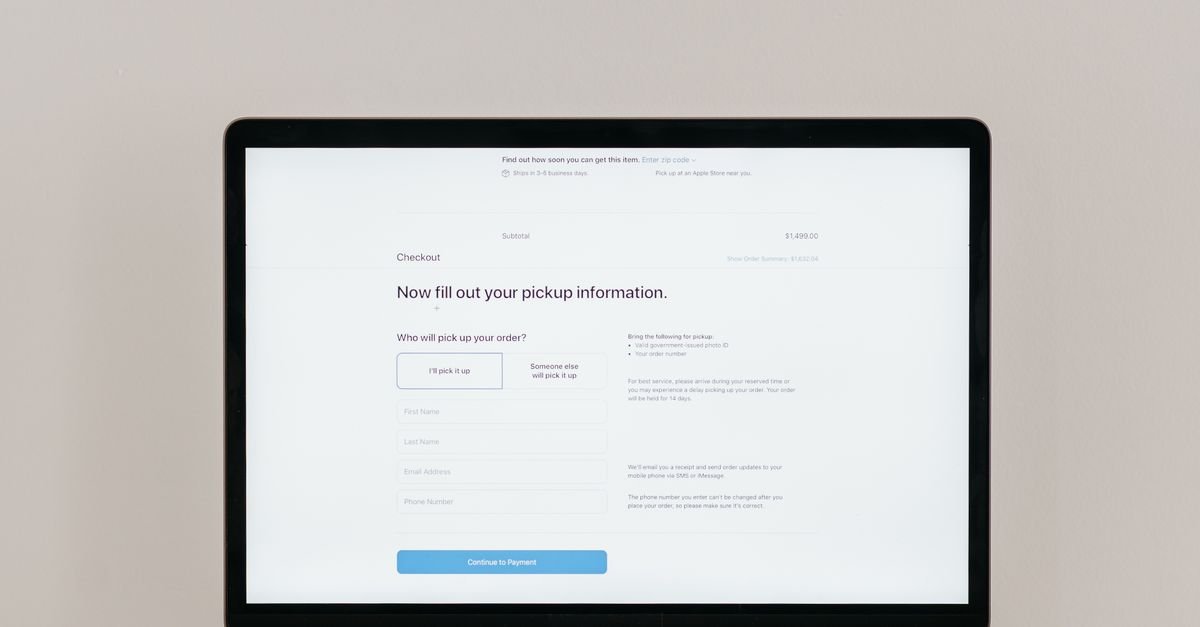
What trip protection at checkout actually is
With trip protection at checkout, the travel site is acting as a distributor. The policy is underwritten by an insurance company, and the site earns a commission for selling it.

Free download: WanderOza Travel Planning Kit
Compare flights, stays, tours, eSIMs, transfers, and deal rules before you book.
That matters for two reasons. The cover is defined by the insurer’s wording rather than by the travel site, so questions have to go to the insurer. And the commission explains why the box is prominent, pre-ticked on some sites, and framed as protecting your booking.
Secondly, these policies are usually scoped to the booking you are making rather than to your trip. A policy sold with a flight typically covers that flight, not the hotel you book separately an hour later.
Therefore the product is not wrong, but it is narrow by design. Understanding that is most of what you need.
Trip protection at checkout against a standalone policy
The table compares the two on the dimensions that decide it.
| Factor | Checkout add-on | Standalone policy | Usually better |
|---|---|---|---|
| Scope | Often the single booking | The whole trip | Standalone |
| Medical cover | Sometimes limited or absent | Normally central | Standalone |
| Price | Convenient, not always cheap | Comparable or less | Compare each time |
| Ease of purchase | One click | A few minutes | Checkout |
| Comparing options | None, take it or leave it | Full comparison possible | Standalone |
| Declaring conditions | Often no opportunity | Explicit process | Standalone |
| Annual cover option | No | Yes, if you travel often | Standalone |
| Who handles a claim | The insurer, via a third party | The insurer directly | Standalone |
A framework for deciding at checkout
Four steps. The first one resolves most cases immediately.
Why trip protection at checkout is offered at the wrong moment
The decision is being asked at the worst possible time, and that is not accidental.
You are mid-transaction, focused on completing a purchase, and the cost of the add-on looks small against the booking you are already making. Those conditions favour accepting rather than evaluating.
Secondly, you do not yet know what the trip involves. If the flight is the first booking, the accommodation, the activities and the total value are still unknown, so you cannot size the cover.
Thirdly, you cannot compare. The checkout offers one product with no alternatives, which is the opposite of how insurance should be bought.
Consequently declining and arranging cover afterwards costs you nothing, provided you actually do it the same day. Cancellation cover is most valuable when it starts at the moment you commit money.
Check what your cards already cover
This is the step that most often makes the add-on unnecessary, and it is frequently skipped.
Many travel credit cards include trip cancellation and interruption cover when the trip is paid with the card, along with baggage delay and sometimes medical benefits. That cover often sits unused because cardholders do not know it exists.
Three things to verify. Whether the whole trip must be paid on the card for cover to apply. What the limits are, since card cover is frequently capped below the value of an expensive trip. And what is excluded, particularly pre-existing medical conditions.
Where card cover is adequate for a modest domestic trip, buying anything further is duplication. Where the trip is expensive or involves significant medical exposure abroad, card cover is usually a supplement rather than a substitute. Our comparison of credit card travel cover versus insurance sets out where it stops.

What to compare in a standalone policy
Comparing on headline price produces bad outcomes, because the headline figure describes the maximum rather than what you would receive.
Look at the excess, or deductible, and whether it applies per person and per section rather than once. Look at the sub-limits, since a single valuable item may be covered for far less than the baggage total implies.
Check the medical limit, which is the one that matters most abroad, and whether repatriation is included. Check the cancellation reasons, since policies cover specified events rather than any change of plan.
Finally, check the trip length cap on annual policies, because a longer trip may be uninsured for the excess days. Our guide to making a travel insurance claim explains how these terms operate when you actually claim.
Pre-selected trip protection at checkout
Some checkouts opt you in by default, which means declining requires an action rather than inaction.
Read the final confirmation page before paying, and check the total against what you expected. An unexpected increase is usually either insurance or a seat or bag that was pre-selected.
Where you have been charged for cover you did not want, you can generally cancel within the policy’s cooling-off period and receive a refund, provided you have not travelled or claimed. Act promptly, since that window is short.
Keeping a note of what you expected to pay is the simplest defence. A total that does not match is a prompt to look rather than to proceed.
When trip protection at checkout is a reasonable choice
- A single cheap domestic trip where the only exposure is the booking itself.
- Where the price is genuinely low and the cover matches what you need.
- When you have no card cover and will not otherwise arrange a policy.
- Where the booking is the entire trip, so scope is not a limitation.
- When you need something immediately and will compare properly later.
In those cases convenience has real value, and the narrowness of the product matters less because the trip is simple.
When to decline firmly
- Any trip abroad, where medical cover is the main purpose of insurance.
- Expensive trips, where the limits are likely inadequate.
- Trips with several components booked separately.
- Where you have a medical condition to declare.
- Where you already hold an annual policy.
- Where your card provides adequate cover for the trip.
- Any trip with adventure activities that need specific cover.
Medical cover is the part that matters abroad
For travel outside your own country, medical treatment is the exposure that justifies insurance in the first place.
Cancellation cover protects money. Medical cover protects you from bills that can be far larger than the trip, and from the cost of being brought home if you cannot travel normally.
Checkout add-ons are frequently weak here, sometimes covering cancellation and interruption only. A policy without meaningful medical cover is not a substitute for travel insurance on an international trip.
Therefore for any trip abroad, treat the medical limit and repatriation as the first thing you check rather than the last.
One policy per trip
Buying protection on the flight, the hotel and the car produces three overlapping policies and one trip.
You cannot claim the same loss twice, so the duplication is pure cost. Worse, having several policies complicates a claim, because each insurer may argue the other is primary.
Therefore buy one policy that covers the whole trip, from the date of the first booking to the date you return. That is simpler, cheaper and far easier to claim on.
If you travel more than two or three times a year, an annual policy usually costs less than separate single-trip cover and removes the decision entirely.
Cancel for any reason, and what it really means
Some policies and some checkout products advertise a cancel for any reason option, and it is worth understanding before paying extra for it.
Standard cancellation cover pays out for specified events, such as illness, injury, jury service or a death in the family, and requires evidence. Changing your mind is not covered.
A cancel for any reason upgrade broadens that, but rarely to the full value of the trip. These products typically reimburse a proportion rather than everything, require the trip to be cancelled some days before departure, and must usually be bought within a short window of the first booking.
Consequently the comparison is against a flexible booking rather than against standard insurance. A refundable hotel rate and a changeable fare may deliver more useful flexibility for less money, and they do so without a claims process. Our guide to refundable hotel rates covers how to price that.
Where the trip is expensive, non-refundable and genuinely uncertain, the upgrade can be reasonable. Otherwise it is usually an expensive way to buy flexibility you could have bought at booking.
Travelling with a pre-existing condition
This is where trip protection at checkout is weakest, and the consequences are the most serious.
A standalone policy asks about medical history, assesses it, and either covers the condition, excludes it or prices it. That process is the mechanism by which you obtain reliable cover.
A checkout add-on frequently never asks. That is convenient and dangerous, because an undisclosed condition can void a medical claim and sometimes the policy itself, leaving you uninsured for the thing most likely to happen.
Therefore if anyone travelling has any medical history worth mentioning, including conditions you consider resolved, a standalone policy with a declaration process is the only sensible route.
Declaring may increase the premium. That increase is the price of the cover actually working, which is a considerably better outcome than a cheaper policy that pays nothing.
A checklist at checkout
- Have you declined the add-on so you can decide properly?
- Does the final total match what you expected?
- Was anything pre-selected that you did not choose?
- What does your card already cover, and up to what limit?
- Do you already hold an annual policy?
- Is the trip abroad, making medical cover essential?
- Will you arrange cover today rather than later?
- Is there anything you need to declare?
Mistakes that cost the most
Accepting the box because it looked cheap. Buying protection on every component of one trip. Assuming the add-on includes medical cover abroad. Failing to declare a condition because the checkout never asked. Declining and then forgetting to arrange anything. Paying for cover you already had through a card or an annual policy. Each of these is avoidable in the few minutes after you finish the booking.
Frequently asked questions about trip protection at checkout
Is trip protection at checkout worth buying?
Sometimes, for a simple single booking where the cover matches your needs. More often a standalone policy covering the whole trip is broader for similar money, and the checkout offers no opportunity to compare.
Does it include medical cover?
Not always, and that is the key thing to check for travel abroad. Some add-ons cover cancellation and interruption only, which is not a substitute for travel insurance on an international trip.
Do I already have cover through my credit card?
Possibly. Many travel cards include trip cancellation and interruption cover when the trip is paid with the card, though limits are often lower than an expensive trip’s value. Read the card’s benefits guide before buying anything else.
Should I buy protection on each booking?
No. You cannot claim the same loss twice, so several policies for one trip is duplicated cost and can complicate a claim. Buy one policy covering the whole trip.
What if I was charged for it without choosing it?
Check the policy’s cooling-off period, during which you can usually cancel for a refund provided you have not travelled or claimed. Act promptly, because the window is short.
When should I buy cover if I decline the add-on?
The same day you book, because cancellation cover is most valuable when it starts at the moment you commit money. Declining costs nothing only if you then actually arrange a policy.
Arranging cover deliberately
Affiliate disclosure: Some links in this guide are affiliate links. If you book through them, WanderOza Travel may earn a commission at no extra cost to you, and it does not change what we recommend.
Once you have declined the add-on, the useful step is comparing policies for the whole trip rather than one booking, paying attention to the medical limit and the excess. Compare travel insurance cover with EKTA rather than accepting the only option a checkout shows you.
Because cancellation cover works best when it starts at the first booking, settling the flights and the policy in one sitting is the sensible sequence. Compare flights on Aviasales and arrange cover straight afterwards.
How this guide was researched and an important note
This guide is based on how insurance distributed at the point of sale is scoped and underwritten, on the structure of travel policy terms including excesses and sub-limits, and on the travel benefits commonly attached to credit cards.
We have deliberately not quoted premiums, limits or excess amounts. These are set by each insurer and product and are revised, and a figure remembered from a guide is the most likely thing to be wrong for the policy in front of you. The policy wording is the only authoritative source for what you are buying.
This is general information rather than advice about your circumstances, and it is not financial or insurance advice. We research and compare booking mechanics rather than reviewing individual insurers. For general consumer guidance on how products and charges must be presented, see the FTC consumer advice site and the FTC advertising and marketing guidance.
Last updated .