
The quick answer on making a travel insurance claim
A travel insurance claim is decided almost entirely on documentation. The policy wording determines whether you are covered; the paperwork determines whether you can prove it. Most refused claims fail not because the event was excluded but because the evidence was never collected at the time.
- Collect evidence while the event is happening. Reports, records and receipts are easy on the day and often impossible a month later.
- Notify the insurer early. Many policies require contact within a stated period, and some require pre-authorisation for medical treatment.
- Read the exclusions before the exclusions read you. Pre-existing conditions, alcohol, unattended possessions and adventure activities are the usual refusals.
- Keep originals. Insurers routinely ask for original documentation rather than photographs.
- A first refusal is not final. Internal appeals and external ombudsman schemes exist and are used successfully.
In short, treat the claim as something you begin on the day of the incident rather than after you get home. That single change in habit does more for the outcome than any other.
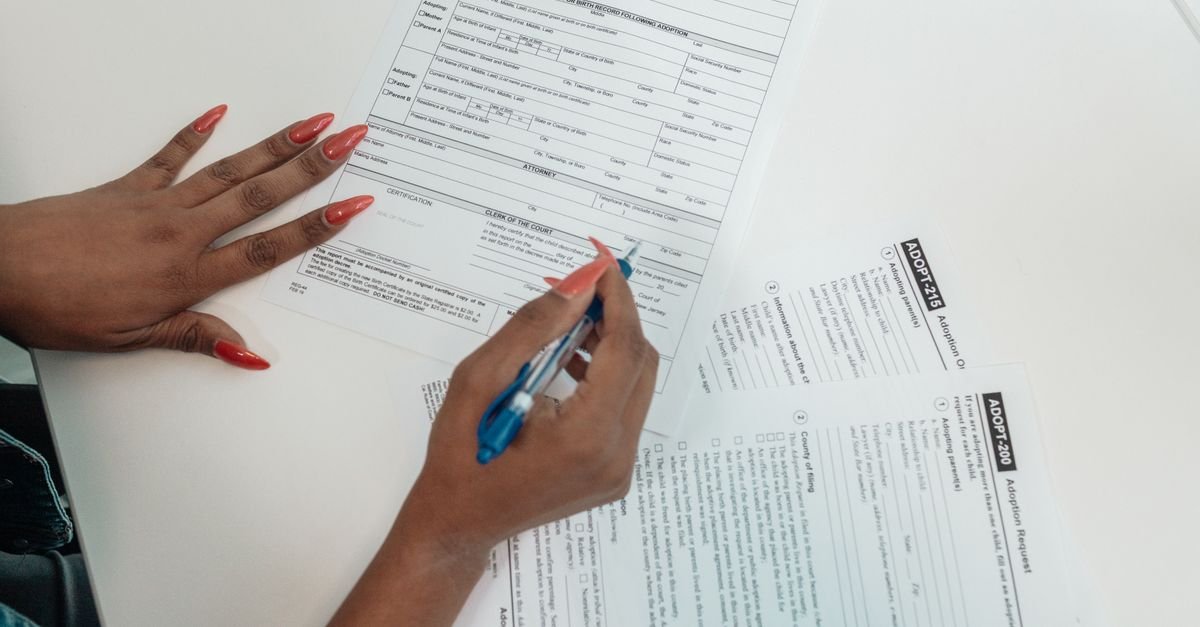
What a travel insurance claim is assessed on
Understanding the assessment makes the paperwork requests feel less arbitrary. An assessor is answering four questions in sequence.

Free download: WanderOza Travel Planning Kit
Compare flights, stays, tours, eSIMs, transfers, and deal rules before you book.
First, was the policy in force, and does the event fall within the cover purchased? Second, is the event one of the insured perils rather than an excluded one? Third, has the loss been evidenced, both that it happened and what it cost? Fourth, is the amount claimed consistent with the policy limits and any excess or deductible?
Each of those four stages can stop a claim. Consequently a claim that is plainly covered in principle still fails at stage three if the evidence is thin, and that is the stage you control.
What to collect, by claim type
The table lists the documents that are typically requested. Gather them on the day rather than hoping to reconstruct them.
| Claim type | Collect at the time | Also useful | Common reason for refusal |
|---|---|---|---|
| Medical treatment abroad | Treating provider’s records, diagnosis, itemised invoice, receipts | Pre-authorisation reference from the insurer | Pre-existing condition not declared |
| Trip cancellation | Medical certificate or official evidence of the cause, booking documents, proof of payment | Evidence you sought refunds from suppliers first | Cause not an insured reason |
| Trip curtailment | As cancellation, plus unused portion evidence | Insurer authorisation to return early | Returning home without authorisation |
| Lost or stolen possessions | Police report, proof of ownership, purchase receipts | Photographs of the items | Items left unattended |
| Delayed baggage | Airline property irregularity report, receipts for essentials | Baggage tag and boarding pass | No report filed before leaving the airport |
| Travel delay | Written confirmation of the delay and its cause from the carrier | Receipts for food and accommodation | Delay shorter than the policy threshold |
| Missed departure | Evidence of the cause, such as a breakdown or accident report | Receipts for the replacement journey | Insufficient travel time allowed |
| Personal liability | Any correspondence, and nothing else | Photographs of the scene | Admitting liability yourself |
A framework for any travel insurance claim
Four steps, in order, starting at the moment the thing goes wrong.
Call the insurer before you spend
This is the step most often skipped and the one that most often causes trouble. Policies commonly include an emergency assistance line, and using it is not merely advisable but frequently a condition of cover.
For medical treatment, many policies require pre-authorisation above a modest threshold. Paying for treatment yourself and claiming later can work, but it shifts the risk onto you and can breach a policy condition. More practically, insurers can often arrange direct settlement with a hospital, which avoids you funding a large bill on a card.
For curtailment, returning home early without authorisation is a classic refusal. The insurer wants the opportunity to approve the decision and to arrange the return. Call first, even if the call is inconvenient.
Documenting on the day
Three documents account for the majority of evidence requests, and all three are time-sensitive.
A police report, for theft or loss. Many policies require one within a stated period, often twenty-four hours. In some countries obtaining one is slow and bureaucratic, which is exactly why leaving it until later does not work. Get a copy with a reference number, and if the report is in another language, keep the original anyway.
A property irregularity report, for baggage problems. This is filed with the airline at the airport before you leave. Without it, a delayed or lost baggage claim is very difficult, because there is no record the bag failed to arrive.
Medical records from the treating provider, not just a receipt. Assessors need the diagnosis and treatment, not only the amount paid. Request the records before you leave the facility, since obtaining them from another country afterwards is slow.

Claim against the supplier first
Travel insurance is usually a backstop rather than a first resort, and insurers behave accordingly. They will ask what you recovered from the airline, the hotel, the tour operator or your card issuer, and they will deduct it.
That sequencing matters for two reasons. It is often faster: an airline refund for a cancelled flight arrives sooner than a claim assessment. And it preserves the insurance for the part nobody else covers, which is usually the consequential costs rather than the ticket itself.
Keep the correspondence. A written refusal from a supplier is itself useful evidence, because it demonstrates you pursued the recovery the insurer expects you to pursue. Our guides to flight delay compensation and credit card travel cover versus insurance cover what those other routes actually owe you.
The exclusions that sink most travel insurance claims
Exclusions are not hidden; they are simply not read. A handful account for most disputes.
Pre-existing medical conditions. Policies require disclosure, and an undisclosed condition can void a medical claim and sometimes the whole policy. Declaring a condition may raise the premium; not declaring it can leave you with no cover when it matters.
Alcohol and drugs. Injuries sustained while intoxicated are commonly excluded, and the threshold is often lower than people assume.
Unattended possessions. A bag beside you on a beach or on a cafe chair is frequently treated as unattended. This is the single most common reason a theft claim fails.
Adventure and sports activities. Many are excluded unless a specific add-on was purchased, and the list of what counts is sometimes surprising.
Travelling against official advice, or into an area subject to a government advisory, is generally excluded too.
Timing: when to buy and when to claim
Two deadlines bracket every travel insurance claim, and both are set by the policy rather than by convenience.
At the front end, cancellation cover generally begins when the policy starts, not when the trip starts. Buying cover at the moment you book therefore protects the deposit you have just paid; buying it the week before departure does not cover anything that went wrong in between. For an expensive trip booked far ahead, that gap is the single largest uninsured exposure most travellers carry.
At the back end, policies impose a deadline for notifying a claim and often a second, longer deadline for submitting the completed file. Missing the notification deadline is a technical breach the insurer can rely on even where the underlying event was plainly covered. Because the periods are short, note them when you buy rather than looking for them while dealing with an incident.
There is a related point about annual multi-trip policies. Cover usually attaches per trip, with a maximum trip length, and a trip that overruns that maximum may be uninsured for the excess days rather than merely for the extension. Check the trip-length cap before booking anything long.
Excess, limits and sub-limits
Three numbers determine what you actually receive, and they are not the headline cover figure.
The excess, or deductible, is deducted from each claim, and on some policies it applies per person and per section rather than once per claim. The overall limit for a section caps the total. Sub-limits cap individual items within a section, which is why a single valuable item may be covered for far less than the baggage total suggests.
Because of sub-limits, high-value items frequently need to be specified on the policy to be covered properly. Check before travelling with anything expensive rather than discovering the sub-limit during a claim.
Writing the travel insurance claim
A clear, complete submission is assessed faster and refused less often. A practical structure is this.
- A short factual chronology: what happened, when, and where, without adjectives.
- The policy section you are claiming under, named explicitly.
- A numbered list of documents enclosed, matching the insurer’s requirements.
- A table of amounts claimed, with each one tied to a receipt.
- A note of what you recovered elsewhere and from whom.
Avoid speculation about cause, and never admit liability in a personal liability matter. Report the facts and let the assessor reach the conclusion.
If the travel insurance claim is refused
A refusal is a decision, not a verdict, and a meaningful share of refusals are overturned on appeal.
Start by asking for the specific policy wording relied on. That forces the insurer to identify the clause, and sometimes reveals the refusal rests on a misreading of the facts rather than the policy. Then submit an internal appeal addressing that clause directly, with any further evidence.
If the internal appeal fails, an external route usually exists. Many jurisdictions have a financial ombudsman or equivalent scheme that reviews insurance disputes free of charge to the consumer, and insurers are obliged to tell you about it when they issue a final response. Use it; the process is designed for people without legal representation.
Buying a policy that will actually pay
- Buy at the time you book, not before you travel, so cancellation cover runs from the start.
- Declare every medical condition, including ones you consider resolved.
- Check the sub-limit for the most valuable thing you are carrying.
- Check that your activities are covered, including anything you might do on impulse.
- Check the excess, and whether it applies per person and per section.
- Note the emergency assistance number somewhere you can reach without your phone.
- Read the delay threshold, since short delays are usually not covered.
Mistakes that cost the most
Leaving the airport without filing a baggage report. Paying for treatment without calling the insurer. Returning home early without authorisation. Not declaring a condition because it seemed minor. Leaving a bag on a chair. Submitting an incomplete file and treating the resulting refusal as final. Each of these turns a covered event into a refused claim, and each is avoidable with a phone call or ten minutes of paperwork on the day.
Frequently asked questions about travel insurance claims
When should I contact my insurer?
As early as possible, and before committing to significant spending. Policies commonly require notification within a stated period, and medical treatment and early return often need authorisation first. Check your own policy wording for the deadline that applies to you.
Do I need a police report for stolen items?
Usually yes, and often within a short window after the theft. Obtain a copy with a reference number before you leave the country, because getting one afterwards is generally impractical.
Why are claims for stolen bags often refused?
Most commonly because the item is treated as having been left unattended. Policies define that more strictly than travellers expect, and a bag beside you rather than attached to you can fall within it. Check how your policy words it.
Should I claim from the airline or the insurer first?
From the airline or supplier first. Insurers expect you to pursue other recovery routes and will ask what you received, deducting it from any settlement. A written refusal from the supplier is useful evidence either way.
Can I claim if I had a pre-existing condition?
Only if it was properly declared and accepted when you bought the policy. An undisclosed condition can void a medical claim and sometimes the policy itself, so declare everything, including conditions you consider resolved.
What can I do if my claim is refused?
Ask for the exact policy wording relied on, then submit an internal appeal addressing that clause with any further evidence. If that fails, an external ombudsman or equivalent scheme is usually available at no cost to you, and the insurer must tell you about it in its final response.
Choosing cover before you travel
Affiliate disclosure: Some links in this guide are affiliate links. If you book through them, WanderOza Travel may earn a commission at no extra cost to you, and it does not change what we recommend.
The easiest way to improve a future claim is to buy a policy whose wording matches the trip you are actually taking, and to buy it when you book rather than when you pack. Compare travel insurance cover with EKTA, checking the excess and the sub-limits rather than only the headline figure.
Because cancellation cover is most valuable when it runs from the moment you book, it is worth settling the flights and the policy in the same sitting. Compare flights on Aviasales and then arrange cover straight away.
How this guide was researched and an important note
This guide is based on the structure of travel insurance policy wordings, on the documentary requirements insurers commonly set out in their claims procedures, and on the role of external dispute resolution schemes in insurance complaints.
We have deliberately not quoted notification deadlines, excess amounts, sub-limits or delay thresholds. Those are set by each policy and vary widely between insurers and products, and a figure remembered from a guide is the most likely thing to be wrong for your policy. Your own policy wording is the only authoritative source for the terms that bind your claim.
This is general information rather than advice about your circumstances, and it is not legal or financial advice. For a specific claim, read your policy wording and speak to your insurer, and where a dispute arises use the external scheme named in the insurer’s final response. We research and compare booking mechanics rather than reviewing individual insurers. For general consumer guidance, see the FTC consumer advice site and, for travel disruption rights in the US, the Department of Transportation aviation consumer protection pages.
Last updated .