
The quick answer on passport validity rules
The most expensive travel document mistake is not forgetting your passport. It is arriving with one that is valid, in date, and still not accepted, because passport validity rules in many countries demand a buffer beyond your return date.
Airlines check this at the departure gate, and they refuse boarding when it fails. Therefore the loss is the whole trip rather than an inconvenience at the border.
- Many countries require your passport to remain valid for a period beyond your departure date.
- Several require blank pages, and a full passport can be refused even when in date.
- Damage, including a detached cover or water staining, can render a passport unacceptable.
- Renewal and visa processing times move, and they lengthen without warning.
- Airlines, not border officials, are usually the ones who stop you travelling.
Check validity, pages and condition against the destination’s own requirement before booking anything. Consequently the whole category of problem disappears.

Free download: WanderOza Travel Planning Kit
Compare flights, stays, tours, eSIMs, transfers, and deal rules before you book.
This is general information, not immigration advice. Requirements differ by nationality and destination and change frequently, so verify everything with official government sources for your own passport.
Why passport validity rules include a buffer
Passport validity rules look arbitrary and have a practical logic behind them.
Countries want assurance that if you overstay or are delayed, your passport remains valid while you are inside their territory and for a margin afterwards. Therefore the requirement is measured from your intended departure rather than your arrival.
A common standard asks for validity beyond the date you leave. So a passport that runs out soon after your return trip can be refused. Consequently the sum is based on the exit date, not the entry date.
Some countries require only validity for the duration of the stay, which is more generous. Meanwhile others apply a longer buffer again, and a handful apply it from the date of entry rather than exit.
The destination sets these rules. Airlines enforce them, because an airline that flies a passenger who is turned away can be fined. So the airline has a direct money reason to refuse you.
That is why a gate agent will not accept your argument that the border official would probably let you in. Consequently the check happens before you board and is not negotiable there.
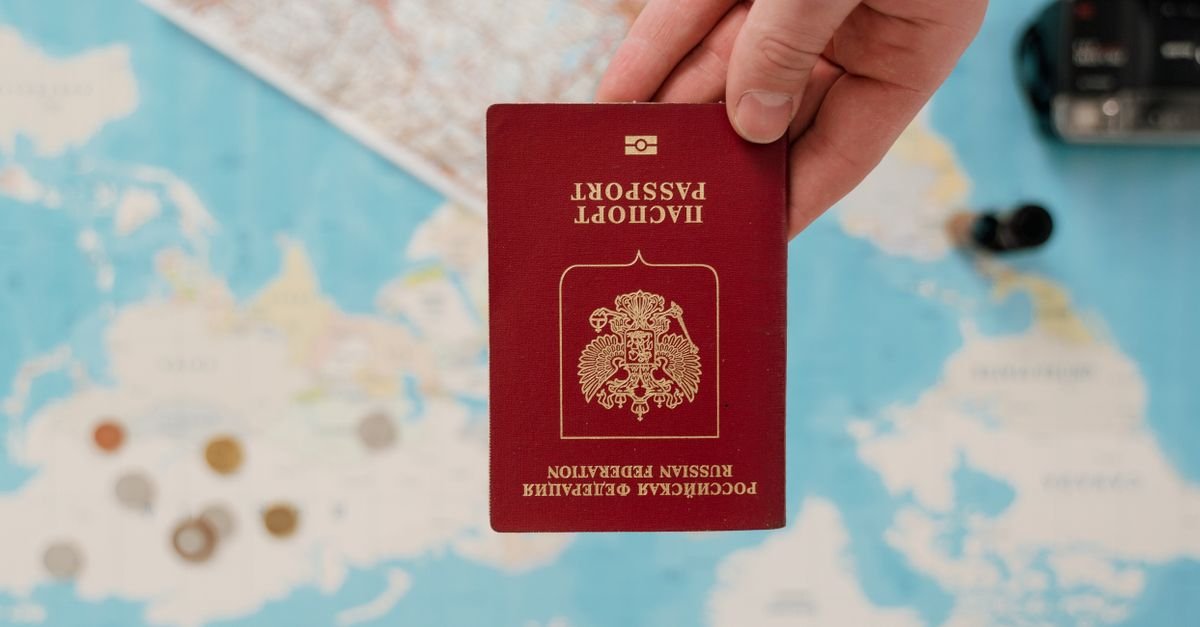
Comparing the document checks that stop people travelling
The table sets out each requirement, when it is checked and what it costs to get wrong.
| Requirement | Checked by | When | Consequence of failing |
|---|---|---|---|
| Passport validity buffer | Airline, then border | At check-in or the gate | Denied boarding, trip lost |
| Blank pages | Airline and border | At the gate or on arrival | Denied boarding or entry |
| Passport condition | Airline and border | Any inspection | Treated as invalid |
| Visa or authorisation | Airline, then border | Before boarding | Denied boarding |
| Onward or return ticket | Airline, sometimes border | At check-in | Denied boarding |
| Transit visa | Airline at origin | Before the first flight | Denied boarding on leg one |
| Name matching the booking | Airline | Check-in | Refusal or a change fee |
| Health documentation | Airline and border | Varies by destination | Denied boarding or entry |
A framework for getting documents right
Five checks, done before you book rather than before you pack, prevent every problem above.
Blank pages, damage and other passport validity rules
Several conditions beyond the expiry date can make a passport unacceptable.
A number of countries require a minimum number of blank pages for entry and exit stamps and for any visa. Therefore a frequent traveller with a nearly full passport can be refused despite years of validity remaining.
Pages marked for amendments or endorsements usually do not count. Consequently the blank pages have to be in the visa section itself.
Damage is the other common problem and the one travellers most often dismiss. A bent or loose cover can do it. So can a water stain, a loose page, a torn laminate, or damage to the chip. Any of these can mean the passport is treated as invalid.
Border officials have discretion, which cuts both ways: a passport accepted on one trip may be refused on the next. So the only safe approach is to replace a damaged passport rather than hoping.
Washed, chewed or water-damaged passports are a recognised category and replacing them is usually treated as a routine, if inconvenient, matter. Consequently reporting it early is better than discovering it at the gate.
Visas, authorisations and transit
Beyond passport validity rules the documentation landscape has grown more complex, and transit is where people are caught most often.
Beyond traditional visas, many countries now require an electronic pre-travel authorisation for visa-exempt visitors. Therefore being visa-free does not mean being document-free.
These authorisations are usually quick and occasionally not, and approval is not guaranteed. Consequently applying well before departure rather than at the airport matters.
Transit requirements are the biggest trap. Meanwhile a country where you merely change planes may require a transit visa depending on your nationality, your route and whether you leave the sterile area.
Three things often turn a transit into a full entry. Changing airports, picking up your bags, or staying the night. So a cheap connection can carry a visa cost you did not plan for.
Airlines check transit documentation at your original departure point, not at the connection. Consequently the refusal happens before you have gone anywhere.
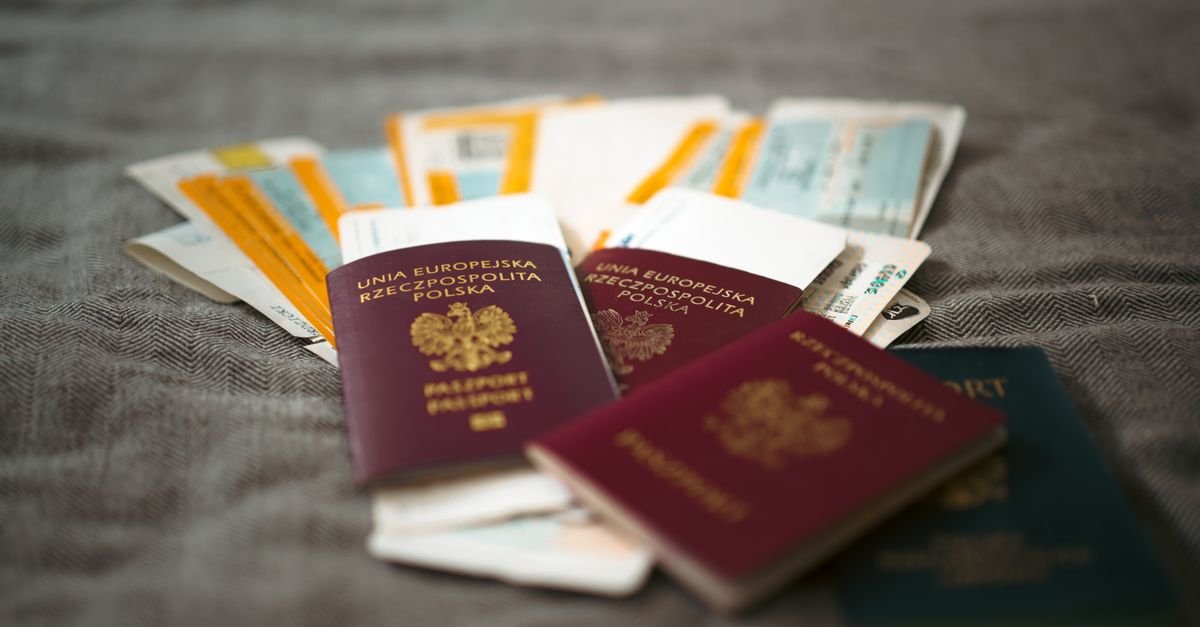
Processing times and planning around passport validity rules
Renewal and visa timelines are the part most within your control and most often misjudged.
Published processing times are only estimates. They get longer in busy periods, after rule changes, and when demand jumps. Therefore check the current figure rather than one you remember.
Expedited services exist in most countries at additional cost, and they also slow down under pressure. Consequently paying for speed is a mitigation rather than a guarantee.
Your passport is usually unavailable while a visa application is processed, which blocks other travel. Meanwhile that is a scheduling problem people routinely overlook when planning two trips.
Where several visas are needed, the sequencing matters and can take months. So a multi-country trip requiring visas needs planning well before fares are booked.
The practical rule is to renew a passport much earlier than feels necessary, since unused validity is usually carried over in many countries. Consequently renewing early costs little and removes the risk entirely.
Names, spellings and booking mismatches
Alongside passport validity rules, name mismatches are a smaller problem that becomes expensive at exactly the wrong moment.
The name on your ticket should match your passport, and airlines differ in how much variation they tolerate. Therefore checking at the point of booking is far cheaper than correcting later.
Middle names, hyphens, accents and multiple surnames are the usual sources of mismatch. Consequently entering the name exactly as it appears in the machine-readable zone is the safest approach.
Recent marriages, divorces and legal name changes create a specific risk if the passport has not been updated. Meanwhile travelling on a passport in a former name while holding other documents in a new one invites questions.
Corrections are sometimes free within a short window after booking and expensive afterwards. So checking the confirmation email immediately is worth the thirty seconds.
For children, the name on the booking and on the passport must match as strictly as for adults. Consequently informal or shortened names cause real problems.
Travelling with children and consent documents
Family travel carries documentation requirements beyond passport validity rules that catch people out.
Children generally need their own passports, including infants, and children’s passports are usually valid for shorter periods than adults’. Therefore a child’s passport often expires sooner than you expect.
Several countries require evidence of parental consent when a child travels with one parent or with another adult. Consequently a letter of consent, and sometimes a notarised one, may be requested.
Differing surnames between parent and child increase the likelihood of questions, and a birth certificate helps. Meanwhile carrying copies is cheap insurance.
Some destinations have specific requirements for unaccompanied minors, set by both the airline and the country. So checking both is necessary.
Requirements vary considerably and are not always well publicised. Consequently the destination’s own official guidance is the source to use.
Copies, backups and losing a passport abroad
Preparation makes a lost passport an inconvenience rather than a crisis.
Keep a photograph or scan of your passport, visas and travel insurance in cloud storage and in email. Therefore you can reach them from any device.
Keep a physical photocopy separate from the passport itself, which helps if your phone is lost with your documents. Consequently the backup survives the same theft.
If a passport is lost or stolen abroad, report it to the local police and contact your nearest embassy or consulate. Meanwhile most issuing countries can provide an emergency travel document to get you home.
Report the loss to your own authorities too, since a lost passport must usually be cancelled and cannot be used again even if found. So finding it later does not restore it.
Travel insurance frequently covers the cost of replacement and associated travel, which is another reason to keep policy details accessible. Consequently the claim is easier if the documents are to hand.
Entry conditions beyond passport validity rules
Several requirements sit outside the passport itself and still stop people travelling.
Onward or return ticket requirements are enforced by airlines in many markets, and a one-way ticket can be refused at check-in. Therefore a refundable onward ticket is sometimes the practical solution.
Proof of funds or accommodation is requested in some countries, and occasionally at the gate rather than the border. Consequently having a booking confirmation accessible is sensible.
Health documentation requirements change and differ by destination and recent travel history. Meanwhile checking official sources close to departure is the only reliable approach.
Some countries deny entry on the basis of previous travel to particular places, visible in your passport stamps. So that is worth researching if it may apply to you.
A criminal record can affect entry to several countries. That includes old or minor matters. Consequently anyone with a record should check first rather than find out on arrival.
Where to check passport validity rules, and which sources to trust
Accuracy on passport validity rules matters more than almost anywhere in travel planning.
The destination country’s own immigration or foreign ministry website is the authoritative source for its requirements. Therefore it outranks any third party.
Your own government’s travel advice pages summarise the requirements for your nationality and are usually reliable and readable. Consequently they are the best starting point.
Airline document checkers are useful because the airline is the one that will refuse you, and they are sometimes out of date. Meanwhile using one alongside an official source is the sensible combination.
Visa agencies and third-party authorisation sites frequently charge a markup for applications you can make yourself. So going to the official application site directly saves money and avoids scams.
Check again closer to departure, because requirements change between booking and travelling. Consequently one check at booking and one a few weeks out is the right pattern.
A simple version of all this
The rules above are detailed. Here is the short version.
Look at your passport. Find the expiry date.
Now look at the date you plan to come home. Is there plenty of time left after that? If not, renew it.
Flick through the pages. Are there several blank ones in the visa section? If not, renew it.
Check the cover and the pages. Any damage at all? Renew it.
Then check if you need a visa. Check the country you change planes in too. Many people forget that one.
Look up how long a renewal or visa takes right now. Not last year. Now.
Apply early. Unused time on a passport usually carries over, so renewing early costs you almost nothing.
Last, make sure the name on your ticket matches the name in your passport. Exactly.
Keeping a document diary
A small habit removes most of this worry for good.
Write down the expiry date of every passport in your household. Put a reminder a year ahead of each one.
A year is a generous margin. So you renew calmly rather than in a rush before a trip.
Add the expiry dates of any long-term visas or authorisations too. Meanwhile these are easy to forget because they are not in the passport.
Note which trips used blank pages, so you can see a passport filling up. Consequently you replace it before it becomes urgent.
Children’s passports run for shorter periods than adults’. So they need checking more often than you would think.
A checklist before you book
First, check your passport’s expiry against the destination’s validity requirement, measured from your departure date rather than your arrival.
Second, count the blank pages in the visa section and inspect the passport for any damage.
Third, establish whether you need a visa or a pre-travel authorisation, and whether any transit country requires one for your nationality and routing.
Fourth, check current renewal and visa processing times and apply with a generous margin, remembering your passport will be unavailable during a visa application.
Fifth, confirm the name on the booking matches your passport exactly before paying.
Finally, store copies of everything in cloud storage and on paper, verify requirements again a few weeks before departure, and apply through official sites rather than third-party agencies.
Mistakes that cost people the whole trip
- Assuming a passport that is in date on the return flight is sufficient.
- Measuring the validity buffer from arrival rather than departure.
- Travelling with a nearly full passport to a country that requires blank pages.
- Ignoring minor damage such as a bent cover or a water stain.
- Overlooking a transit visa requirement for a country you only change planes in.
- Booking a visa trip and a separate trip in the same window, with one passport.
- Relying on a remembered processing time rather than the current figure.
- Paying a third-party agency a markup for an authorisation available directly.
Frequently asked questions about passport validity rules
Why was my valid passport refused?
Most likely because the destination requires validity for a period beyond your departure date, so a passport expiring shortly after your return can be refused. Airlines enforce this at check-in or the gate under carrier liability rules, because they can be fined for carrying an inadmissible passenger.
Is the buffer counted from arrival or departure?
Usually from the date you leave the country, which is why people calculate it wrongly. A minority of countries measure it from entry, and some require only validity for the duration of the stay. Check the destination’s own requirement rather than applying a general rule.
Do I really need blank pages?
In several countries, yes, and a full passport can be refused despite years of validity remaining. The pages usually need to be in the visa section, since pages designated for amendments or endorsements typically do not count.
Can minor passport damage stop me travelling?
Yes. A detached or bent cover, water staining, a loose page, a torn laminate or anything affecting the chip can all lead to a passport being treated as invalid. Officials have discretion, so a passport accepted on one trip may be refused on the next. Replace a damaged passport rather than hoping.
Do I need a visa just to change planes?
Possibly, depending on your nationality, the country and whether you leave the sterile transit area. Changing airports, collecting baggage or staying overnight commonly converts a transit into an entry requiring full documentation. Airlines check this at your original departure point.
What should I do if my passport is lost abroad?
Report it to the local police and contact your nearest embassy or consulate, which can usually issue an emergency travel document. Report it to your own authorities too, since a lost passport is normally cancelled and cannot be used again even if found. Travel insurance often covers replacement costs.
How this guide was researched and an important note
This guide explains the structure of entry documentation requirements rather than listing them: why validity buffers exist and that they are usually measured from departure, why airlines rather than border officials are the ones who refuse boarding, the separate requirements for blank pages and physical condition, and how transit converts into entry in defined circumstances.
No validity periods, page counts, processing times, fees or country lists appear here. That is deliberate: these differ by nationality and destination, change frequently and sometimes at short notice, and a remembered figure is exactly what causes a denied boarding. The guide directs readers to the destination’s own authority and their own government’s travel advice.
This is general information, not immigration or legal advice. Requirements depend on your nationality, your destination, your routing and your personal history, and they change. Verify everything through official government sources before booking and again before departure, and apply for visas and authorisations through official sites rather than third-party agencies.
Useful official references: US State Department passport information, US State Department country information pages, UK Foreign Office travel advice, and the EU’s Your Europe entry and exit pages.
Related reading on this site: flight delay compensation, airline baggage fees and travel booking mistakes.
Last updated .
Planning the rest of the trip
Affiliate disclosure: Some links in this guide are affiliate links. If you book through them, WanderOza Travel may earn a commission at no extra cost to you, and it does not change what we recommend.
Document problems are one of the few trip risks a policy can actually help with, so it is worth arranging cover when you book rather than when you pack. Compare travel insurance cover with EKTA.