
The quick answer on airline baggage fees
Baggage is where cheap flights stop being cheap, and the charges are structured so that the expensive moment is the one you reach by accident. Because airline baggage fees rise sharply the later you pay them, the whole game is deciding before you book rather than at the gate.
The pattern is consistent across carriers. Cheapest when added at booking, more at online check-in, more again at the desk, and most at the gate.
- Add any bag you know you need at the time of booking, where it is always cheapest.
- Compare the total fare including bags, because the cheapest headline fare often is not.
- Measure your cabin bag against the specific airline’s dimensions, including wheels and handles.
- Weigh it at home, because desk scales are the authority and they do not round down.
- Gate enforcement is inconsistent, which makes relying on leniency a bad bet.
Affiliate disclosure: Some links in this guide are affiliate links. If you book through them, WanderOza Travel may earn a commission at no extra cost to you, and it does not change what we recommend.

Free download: WanderOza Travel Planning Kit
Compare flights, stays, tours, eSIMs, transfers, and deal rules before you book.
Decide your baggage before you compare fares, then measure and weigh at home. Consequently the gate becomes a formality rather than a negotiation.
How the airline baggage fees structure is designed
Understanding the logic makes the charges predictable rather than arbitrary.
Unbundling fares was the central innovation of low-cost aviation, and it has spread to almost every airline. Therefore the headline fare now buys a seat and very little else.
Baggage is the largest of the unbundled items and the most profitable, which is why the rules are enforced at all. Consequently it is a revenue stream rather than a logistical constraint.
The escalating price is deliberate: it rewards early commitment and penalises the passenger who deals with it at the airport. Meanwhile the gate price is set high enough to be a genuine deterrent.
Fare brands complicate the picture further, with the same route sold at several tiers that include different baggage. So the comparison is not fare against fare but total against total.
Once you see it as pricing rather than rules, the strategy becomes obvious. Consequently decide and pay early, or do not take the bag.
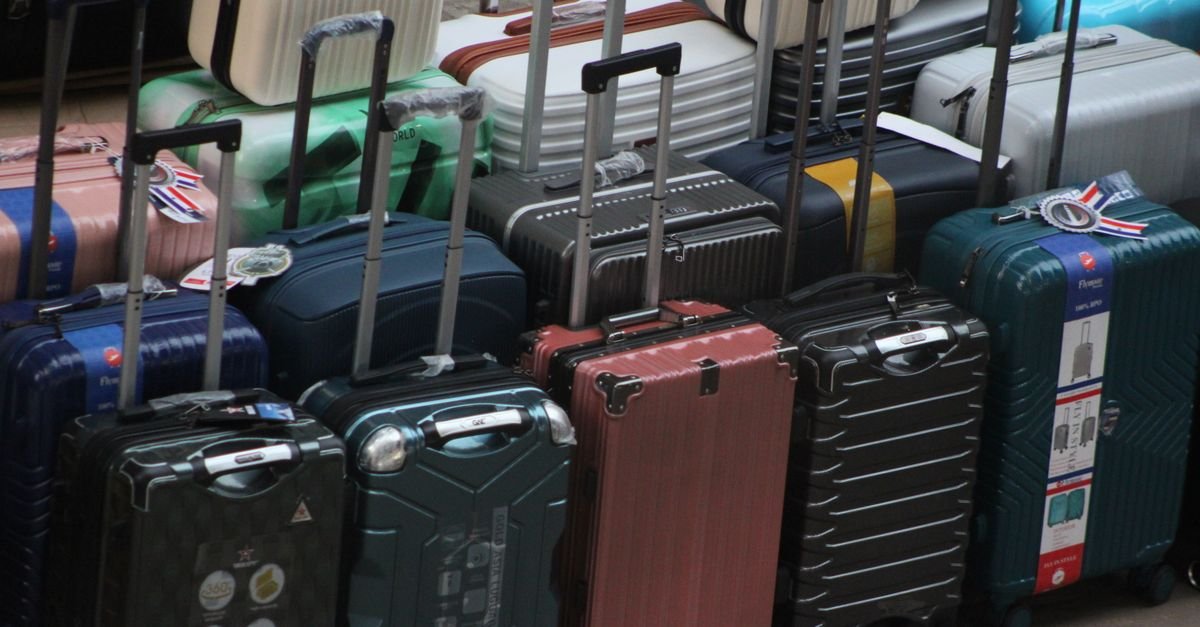
Comparing where airline baggage fees bite
The table shows where each charge arises and what to do about it.
| Charge point | What triggers it | Relative cost | How to avoid it |
|---|---|---|---|
| At booking | Adding a bag you know you need | Lowest | This is the one to pay |
| Online check-in | Adding a bag later | Higher | Decide at booking instead |
| Airport desk | Adding or paying in person | Higher again | Never leave it to the desk |
| Gate | Bag too large or an extra item | Highest | Measure and weigh at home |
| Overweight checked bag | Exceeding the weight allowance | Steep, sometimes per kilo | Weigh at home, redistribute |
| Oversized or special item | Sports kit, instruments, pushchairs | Varies widely | Declare and pay in advance |
| Second cabin item | A personal item that is too big | Moderate to high | Check whether one or two are included |
A framework for avoiding airline baggage fees
Five steps, taken in this order, remove nearly every surprise charge.
Cabin bags: where airline baggage fees catch most people
Cabin baggage rules have tightened and diverged, and this is now the commonest source of an unexpected charge.
Published dimensions include wheels and handles, which catches out people who measure the case body. Therefore the bag that fits on paper may not fit the sizer.
Sizers at the gate are the final arbiter, and a soft bag that has been overpacked will not go in even if its nominal size is correct. Consequently how full the bag is matters as much as what it is.
Airlines differ on whether the allowance is one item or two, and on how large the smaller personal item may be. Meanwhile some of the cheapest fares include only a small under-seat item.
Weight limits on cabin bags exist on many carriers and are enforced inconsistently, which makes them unpredictable rather than ignorable. So a heavy cabin bag is a risk even where nobody usually checks.
Measure your actual packed bag against the specific airline’s figures before every trip on a new carrier. Consequently you remove the one charge that is hardest to argue against.
Checked bags, weight and the per-kilo trap
Checked airline baggage fees are more predictable and the overweight penalties are harsher.
Weight allowances differ substantially between airlines and fare brands, and between short and long-haul on the same airline. Therefore assuming a standard allowance is how people end up repacking on the floor.
Overweight charges are frequently steep and sometimes applied per kilo over the limit. Consequently a few kilos can cost more than a second bag would have.
Where two bags are allowed, splitting the weight between them is usually cheaper than one overweight bag. Meanwhile that is worth checking before you pack rather than at the desk.
A cheap luggage scale costs very little and removes the problem entirely. So it is the single best piece of travel kit for anyone who flies more than occasionally.
Desk scales are the authority and they vary, so leaving a small margin rather than packing to the exact limit is sensible. Consequently aim under rather than at the allowance.
Comparing fares properly, with airline baggage fees included
This is where the real money is, and it takes a few extra seconds rather than any skill.
Build the comparison around your actual needs: the number of bags, their size and whether you need a seat together. Therefore you compare trips rather than fares.
Search engines increasingly let you specify bags, which surfaces the true ranking. Consequently using that filter changes which airline wins more often than people expect.
A full-service airline including a checked bag frequently beats a budget fare plus two bag charges. Meanwhile the headline comparison suggests the opposite.
Fare brands within one airline are worth comparing too, since the next tier up sometimes includes a bag for less than buying it separately. So the mid tier is occasionally the cheapest route to the same trip.
Include seat selection in the total if you will pay for it, because that is the other large unbundled item. Consequently the honest total is fare plus bags plus seats.
Loyalty, cards and legitimate exemptions
Several legitimate routes around airline baggage fees exist and are widely under-used.
Airline status, even at entry level, frequently includes extra baggage, and status is sometimes achievable within one year of ordinary travel. Therefore concentrating your flying on one airline or alliance has a tangible payoff.
Co-branded airline credit cards commonly include a free checked bag for the cardholder and sometimes for companions. Consequently the annual fee can be recovered in a couple of trips for a family.
Alliance recognition means status with one member usually brings benefits on the others. Meanwhile the specific allowances differ, so check for the operating carrier.
Some fare types and routes include more generous allowances, particularly on long-haul and on certain regional markets. So the same airline is not consistent across its network.
Medical equipment, mobility aids and in many cases infant equipment are typically carried free and do not count against your allowance. Consequently declaring them in advance is the right approach rather than hoping.
Packing strategies that beat airline baggage fees
A handful of techniques reliably save a charge, and several popular ones do not.
Wearing your bulkiest items rather than packing them genuinely works, because clothing worn is not weighed. Therefore a coat and boots on a winter trip can be the difference.
Compression packing reduces volume and does nothing for weight, which matters because the two limits are separate. Consequently it solves the sizer problem and not the scale problem.
Laundry on a longer trip removes more weight than any packing technique, by reducing how much you carry at all. Meanwhile most accommodation can arrange it.
A packable tote inside your case gives you capacity for the way home without being an extra item on the way out. So it handles the purchases problem without a charge.
Heavy items such as books, electronics and toiletries are the usual culprits, and they are the easiest to cut. Consequently reviewing those three categories first is the fastest route to compliance.
Connecting flights and mixed itineraries
Multi-airline trips are where airline baggage fees get genuinely confusing.
On a single ticket, the allowance is generally determined by rules tied to the whole journey and your bag is checked through. Therefore one set of rules usually applies.
On separate tickets, each airline applies its own rules and you may have to collect and recheck your bag. Consequently a cheap second ticket can carry a second baggage charge.
Codeshare flights follow the operating carrier’s rules in many cases, which is not necessarily the airline you booked with. Meanwhile checking the operating carrier is the reliable approach.
Regional connections on smaller aircraft sometimes have tighter cabin limits, including mandatory gate-checking of normal cabin bags. So a bag that is fine on the long leg may not be on the short one.
Where legs differ, plan to the most restrictive one. Consequently you avoid a charge on the leg you did not think about.
When paying airline baggage fees is the right answer
Avoiding fees is not always the goal, and that deserves saying.
If you genuinely need a checked bag, paying at booking is the cheapest outcome available and trying to avoid it wastes effort. Therefore the strategy is to pay early rather than to go without.
Travelling with children, sports equipment or professional kit usually makes checked baggage unavoidable. Consequently budgeting for it from the start produces a more honest fare comparison.
On a long trip, the comfort of adequate luggage is worth a modest charge. Meanwhile squeezing a month into a cabin bag is a choice rather than a virtue.
The cost of being wrong at the gate is high enough that paying a small amount for certainty is often rational. So where your bag is borderline, paying in advance removes the risk.
The genuine waste is paying more than you needed to because you decided late. Consequently the discipline is about timing rather than austerity.
Lost and delayed baggage
Airline baggage fees are the common problem and delayed bags are the expensive one.
Report a missing bag before leaving the airport and obtain a written reference, because claims depend on it. Therefore the baggage desk visit is not optional.
Airlines are generally liable for delayed, damaged and lost baggage under international conventions, up to defined limits. Consequently a claim exists independently of any insurance.
Travel insurance baggage delay cover typically pays for essentials after a defined wait, which fills the immediate gap. Meanwhile keeping receipts is what makes that claim work.
Photograph your packed bag and keep a rough list of contents, which makes any claim far easier. So two minutes before departure saves a great deal afterwards.
Keep medication, valuables, documents and a change of clothes in your cabin bag. Consequently a delayed bag is an inconvenience rather than a crisis.
Choosing luggage that fits the rules
The bag itself is a decision that either removes or creates airline baggage fees for years.
Buy to the smallest common cabin allowance rather than the most generous one, because a case that fits everywhere is worth more than one that fits your favourite airline. Therefore the constraint is the strictest carrier you use.
Hard shells cannot be overpacked past their dimensions, which is a genuine advantage at a sizer. Consequently they trade a little capacity for certainty.
Soft bags are more forgiving of awkward contents and more likely to fail a sizer when full. Meanwhile an expandable zip is a liability if you use it on the outbound leg.
Weight of the empty case matters more than people expect, since a heavy shell eats into a modest allowance before you pack anything. So comparing empty weights is worthwhile.
Under-seat bags are now a distinct category for the cheapest fares, and buying one sized to that limit converts those fares into genuinely cheap trips. Consequently it is the single most useful purchase for budget flying.
Travelling with children and equipment
Family travel changes the arithmetic, usually in your favour if you ask.
Pushchairs, car seats and travel cots are commonly carried free and separately from the normal allowance, though the detail differs. Therefore declaring them at booking is the right move rather than a risk.
Infants without a seat often have a small allowance of their own, which is easy to overlook. Consequently asking what it is can free up space you were going to pay for.
Children with their own seat generally get a full allowance, which means a family often has more total capacity than it realises. Meanwhile pooling weight across bags is permitted by some airlines and not others.
Sports equipment and musical instruments usually need declaring in advance and attract specific charges. So the price is much higher if it appears at the desk as a surprise.
Mobility aids and medical equipment are typically carried free and outside the allowance, and advance notice ensures they are handled properly. Consequently telling the airline is both an entitlement and a practical step.
Shipping and the alternatives to paying
For some trips, not flying your luggage is the better answer.
Luggage shipping services send cases door to door and can be competitive with excess baggage charges on long or heavy loads. Therefore they are worth pricing for a move, a long stay or a trip with equipment.
In several countries, domestic parcel services are cheap enough to make posting a box ahead genuinely sensible. Consequently a small box of supplies to your first hotel can replace a checked bag.
Buying consumables at the destination rather than carrying them removes weight at minimal cost. Meanwhile toiletries and basic supplies are the obvious candidates.
Laundry during a longer trip is the most underrated option, because it changes how much you need to carry at all. So two weeks and four weeks can require the same luggage.
None of this helps on a short trip, where a cabin bag is simply the answer. Consequently the alternatives matter for long trips and specialist loads rather than for a weekend.
A pre-booking checklist
First, decide what luggage the trip genuinely requires before you look at any fare.
Second, compare total prices including bags and seats rather than headline fares.
Third, pay for any bag you need at the time of booking, where it is always cheapest.
Fourth, measure your packed cabin bag against the specific airline’s published dimensions, including wheels and handles, and weigh it at home.
Fifth, check the rules for every leg and for the operating carrier, planning to the most restrictive one.
Finally, leave spare capacity or pack a folding tote for the journey home, and keep medication, documents and a change of clothes in your cabin bag.
Mistakes that cost the most at the airport
- Leaving the bag decision until online check-in or, worse, the gate.
- Comparing headline fares without adding the bags you know you need.
- Measuring the case body and forgetting that wheels and handles count.
- Packing a soft cabin bag so full that it will not fit a sizer at its nominal size.
- Packing a checked bag to the exact weight limit and relying on a generous scale.
- Paying an overweight charge when splitting the load across two bags was cheaper.
- Assuming the booking airline‘s rules apply when a partner is operating the flight.
- Booking separate tickets and paying a second baggage charge you had not counted.
Frequently asked questions about airline baggage fees
When is the cheapest time to pay for a bag?
At the time of booking, in essentially every case. The charge escalates at online check-in, again at the airport desk, and is highest at the gate. The structure is deliberate, designed to reward early commitment and penalise passengers who deal with it at the airport.
Do wheels and handles count in cabin bag dimensions?
Yes, published dimensions include them, which is the most common measuring error. A sizer at the gate is the final arbiter, and an overpacked soft bag will not fit even at its nominal size, so measure your actual packed bag rather than the empty case.
Is a budget airline still cheaper once I add a bag?
Often not. A full-service airline that includes a checked bag frequently beats a budget fare plus two baggage charges, and search engines increasingly let you filter by bags, which changes the ranking. Compare total trip prices rather than headline fares.
How do I avoid overweight charges?
Weigh the bag at home with an inexpensive luggage scale and aim under rather than at the limit, since desk scales vary and are the authority. Where two bags are allowed, splitting the weight is usually cheaper than one overweight bag.
Which legitimate routes give a free bag?
Airline status, often achievable within a year of concentrated flying, and co-branded airline credit cards that include a checked bag for the cardholder and sometimes companions. Alliance recognition extends status benefits across member airlines, and medical equipment and mobility aids are typically carried free.
What if my bag is delayed or lost?
Report it before leaving the airport and get a written reference, because claims depend on it. Airlines are generally liable under international conventions up to defined limits, and travel insurance baggage delay cover pays for essentials after a defined wait. Keep receipts.
Comparing the real total with bags
Compare the total with the bags you actually need rather than the headline fare, because a full-service ticket including a bag frequently wins. Compare fares with baggage included on Aviasales
How this guide was researched and an important note
This guide explains the structure of airline baggage charging rather than listing allowances: the unbundling of fares, the deliberate escalation of the charge from booking through check-in and the desk to the gate, the separation of size and weight limits, and the way allowances differ between airlines, fare brands, route lengths and operating carriers on codeshare flights.
No dimensions, weight limits, fee amounts or airline names appear here. That is deliberate: these vary by carrier, fare brand and route, change frequently, and a remembered figure is precisely what produces a charge at the gate. The guide therefore tells you to check the specific airline’s current published figures for every leg.
The liability point for delayed, damaged and lost baggage reflects the international conventions that govern it, which set limits that are periodically revised; check the current position rather than relying on a figure. Nothing here is legal advice, and insurance terms should be read in the policy wording.
Useful official references: US Department of Transportation guidance on baggage, UK Civil Aviation Authority baggage information, European Commission air passenger rights, and TSA guidance on what you can bring.
Related reading on this site: flight delay compensation, power banks and battery rules and airline booking traps.
Last updated .