
The quick answer on seat selection fees
Paying to choose a seat used to be a premium extra. Now seat selection fees apply to almost the whole cabin on many airlines, including ordinary middle seats, and the free option is to accept whatever is left.
The question is therefore not whether paying is a rip-off. It is whether what you are buying matters to you on that particular flight.
- On a short daytime flight alone, paying usually buys very little.
- On a long flight, an aisle or a window is worth more than people admit.
- Families with young children should generally pay, because being split up is a real risk.
- Status, some fare brands and some cards remove the charge entirely.
- Some seats are worse than a random allocation, and they are often sold at a premium.
Affiliate disclosure: Some links in this guide are affiliate links. If you book through them, WanderOza Travel may earn a commission at no extra cost to you, and it does not change what we recommend.

Free download: WanderOza Travel Planning Kit
Compare flights, stays, tours, eSIMs, transfers, and deal rules before you book.
Decide what you actually need, then pay only for that. Consequently you stop paying for seats that offer you nothing and stop gambling on the ones that matter.
Why seat selection fees now cover almost every seat
The spread of seat selection fees follows the same logic as baggage, and understanding it makes the pricing legible.
Unbundling lets airlines advertise a lower headline fare and recover revenue from options. Therefore seat selection became an obvious candidate once baggage was established.
The charge is tiered by desirability, with extra legroom and front rows priced highest and middle seats at the back lowest. Consequently the same flight has a wide range of seat prices.
Prices also move with demand, so a full flight has more expensive seats than an empty one. Meanwhile that means checking again later occasionally helps.
Not paying does not mean no seat. So you are allocated one at check-in, which is where the gamble lies.
The free allocation is not random in practice, since the algorithm fills the least desirable seats first and often splits parties. Consequently the risk is weighted against you rather than neutral.
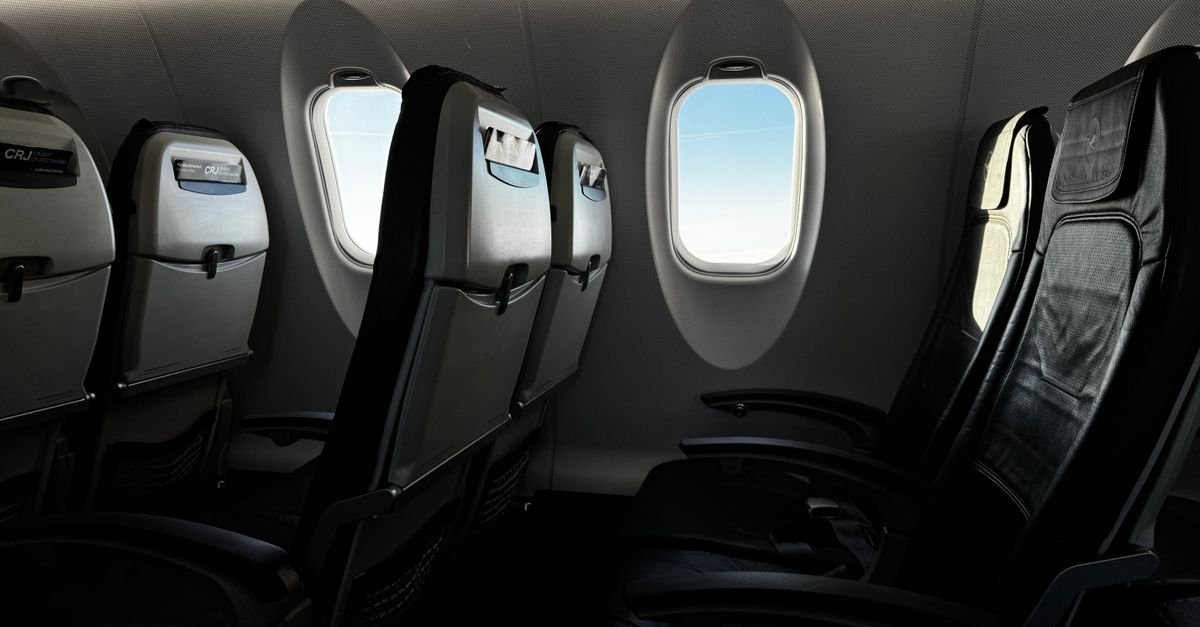
Comparing when seat selection fees are worth paying
The table sets out the situations and the honest answer for each.
| Situation | Worth paying? | Why | What to buy |
|---|---|---|---|
| Short daytime flight, travelling alone | Usually no | An hour in a middle seat is survivable | Nothing |
| Long-haul, travelling alone | Usually yes | Aisle access or a window changes the whole flight | A standard aisle or window |
| Overnight flight | Yes | A window to lean on, or an aisle to escape | Window if you sleep, aisle if you do not |
| Family with young children | Yes | Being split up is a genuine risk | The cheapest seats together |
| Couple on a short flight | Often no | Sitting apart for an hour is tolerable | Nothing, or one cheap pair |
| Tight connection | Yes | A seat near the front saves real minutes | Cheapest forward aisle |
| Tall or broad passenger | Yes | Legroom and aisle access are comfort, not luxury | Extra legroom or aisle |
| Nervous or anxious flyer | Yes | Over-wing is steadier, aisle feels less confined | Mid-cabin aisle over the wing |
A framework for deciding on seat selection fees
Four questions settle it, and they take less than a minute.
Families and the risk of being split up
Families are the one case where seat selection fees are close to mandatory, and the reason is worth stating plainly.
Free allocation tends to scatter a party across the cabin, because the remaining seats are the ones nobody chose. Therefore a family that does not pay frequently ends up separated.
Regulators in several jurisdictions have pushed airlines to seat young children with an accompanying adult without charge, and policies differ in how far that goes. Consequently checking the specific airline’s published family seating policy is worthwhile before paying.
Where a policy exists it typically covers a child below a stated age with one adult, not the whole family together. Meanwhile that may still leave older children or a second adult elsewhere.
Relying on swapping seats at the gate is a poor plan, because other passengers have often paid for theirs and are under no obligation. So the goodwill approach fails more often than it works.
The practical answer is to buy the cheapest seats that keep the group together, which are usually middle and rear rows. Consequently you are buying adjacency rather than comfort.
Which seats justify seat selection fees
Not all paid seats are good, and some premium-priced ones are worse than average.
Extra legroom seats at emergency exits are genuinely more spacious and are the clearest value for tall passengers. Therefore they are the one upgrade that reliably delivers.
They also come with conditions: no bags at your feet during taxi and landing, and a requirement to be able to assist in an evacuation. Consequently they do not suit everyone.
Bulkhead seats have legroom without a seat in front to recline into you, and they lose under-seat storage and often have fixed armrests. Meanwhile they are frequently where bassinets are fitted, which affects the noise around you.
Front rows get you off the aircraft first, which matters for a tight connection and little else. So paying front-row prices for a leisurely arrival is poor value.
Seats that are sold at a premium and should not be include those beside galleys and toilets, those with misaligned windows, those with limited recline in the last row, and those with entertainment boxes under the seat. Consequently checking a seat map review site before buying is worth two minutes.
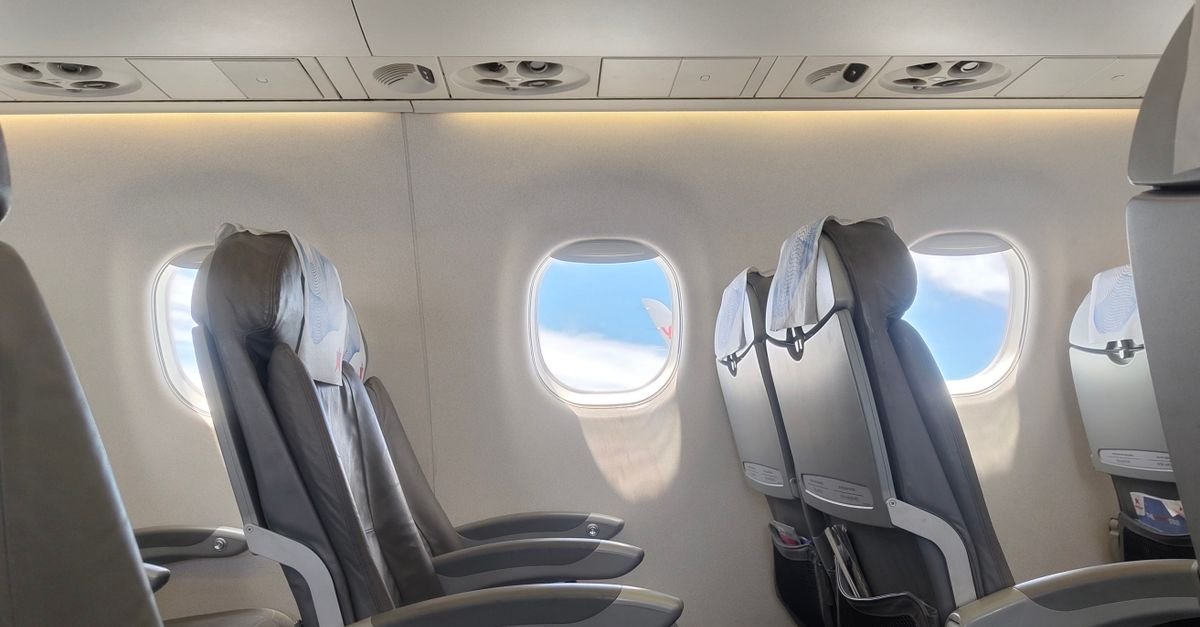
Aisle, window or middle
The choice is personal and the trade-offs are predictable.
An aisle gives you freedom to move without disturbing anyone, at the cost of being disturbed by others and by the trolley. Therefore it suits people who get up often or dislike feeling hemmed in.
A window gives you a wall to lean on, control of the blind and nobody climbing over you. Consequently it is the better choice for sleeping on an overnight flight.
The middle seat has one advantage, which is that both armrests are conventionally yours. Meanwhile that is thin compensation and it is why middle seats are cheapest.
On wide-bodied aircraft with a centre block, the aisle seats in that block are the least popular and sometimes the cheapest reasonable option. So they are worth considering if price matters.
Over the wing is the steadiest part of the aircraft and towards the rear is the least steady. Consequently a nervous flyer should buy position rather than legroom.
Free routes around seat selection fees
Several legitimate ways around seat selection fees exist and are widely unused.
Airline status almost always includes free seat selection, often from the lowest tier, and sometimes extends to companions on the same booking. Therefore even entry-level status has a tangible payoff.
Fare brands differ, and the next tier up sometimes includes seat selection for less than buying it separately. Consequently comparing the tiers rather than only the lowest fare is worthwhile.
Some co-branded airline credit cards include free selection or a discount. Meanwhile the terms change, so check your current benefits guide rather than relying on memory.
Selection usually becomes free at online check-in when the window opens, by which time the good seats are gone but you can at least choose among what remains. So checking in the moment it opens is better than waiting.
Booking directly with the airline rather than through an intermediary sometimes unlocks selection that the third party cannot offer. Consequently the booking channel matters here.
What happens if you do not pay
Understanding what happens when you decline seat selection fees lets you take the risk knowingly.
You will be allocated a seat, usually at check-in and sometimes at the gate. Therefore you will fly, which is the key point.
The allocation will tend towards the least desirable remaining seats, because everything else has been bought. Consequently a middle seat at the back is the realistic expectation on a full flight.
Groups travelling together are frequently split, which is the outcome that actually matters to most people. Meanwhile the chance of this rises with how full the flight is.
On a lightly loaded flight the gamble often pays, and you may end up with a row to yourself. So the load factor is the variable that decides it.
You can sometimes improve the allocation at the gate if seats remain unsold, by asking politely. Consequently it is worth one question rather than an argument.
Paying seat selection fees smartly
A few habits reduce what you spend without losing what you wanted.
Buy the cheapest seat that solves your problem rather than the nicest seat available. Therefore if you want an aisle, buy a rear aisle rather than a front one.
Prices often fall closer to departure on flights that are not filling, so checking again is occasionally rewarded. Consequently waiting is a reasonable strategy on a quiet route.
For a couple, booking an aisle and a window in a row of three sometimes leaves the middle empty until late, which is a known tactic. Meanwhile it fails on a full flight and you end up apart.
On a return trip, consider paying only for the leg that matters, usually the overnight or the longer one. So you halve the cost while keeping the benefit.
Check whether the charge is per leg or per journey, since connections can double it unexpectedly. Consequently the quoted price may not be the total.
Special requirements and accessibility
Some seating needs are not extras and should not attract seat selection fees at all.
Passengers with disabilities are generally entitled to appropriate seating without an additional charge, and the specifics are set by regulation in several jurisdictions. Therefore this should be arranged with the airline rather than bought.
Notify the airline well in advance of any assistance or seating requirement, because arrangements take time and some seats are restricted. Consequently early contact gets a better outcome.
Certain seats cannot be allocated to passengers who need assistance, including exit rows, which limits the options. Meanwhile the airline should find a suitable alternative.
Travelling with a service animal, a medical device or an injury that requires extra space all need discussing directly. So the general booking flow is the wrong channel for these.
If an airline charges for seating you are entitled to, raise it and escalate to the regulator if needed. Consequently the complaint route exists and is used.
Seat selection fees: the honest value judgement
It is worth being clear about what this charge is and is not.
Charging for a middle seat at the back of an aircraft is, straightforwardly, charging for nothing. Therefore declining it is reasonable rather than stingy.
Charging for extra legroom or a front row is selling something real, and paying for it is a fair exchange. Consequently the objection is to the pricing of ordinary seats, not to the concept.
The family separation risk is the part that feels least defensible, and regulators have responded to that. Meanwhile the policies remain uneven.
For the traveller, moralising about it does not help. So the practical response is to know when it buys something and to decline it when it does not.
Across a year of flying, the difference between paying thoughtfully and paying by default is substantial. Consequently a minute of thought per booking is well spent.
Long-haul cabins and premium economy
On long flights the seat question widens beyond seat selection fees into which cabin to buy.
Premium economy sits between economy and business, offering more width, more recline and better service. Therefore it is a genuine product rather than an economy seat with a label.
Its price usually sits closer to economy than to business, which makes it the better value step up on a long overnight flight. Consequently many travellers who would never buy business find it worthwhile.
Within economy, some airlines sell an extra-legroom section that is effectively a half step, with more pitch and the same seat. Meanwhile that is cheaper and delivers less.
Compare the paid seat against that next cabin, because several extra-legroom charges on a long route approach a premium economy fare. So the honest comparison is total cost rather than the seat charge alone.
Upgrade offers and bids closer to departure are a separate route and are unpredictable. Consequently they are worth a look and not worth planning around.
Groups, work trips and shared bookings
Travelling with colleagues or friends raises a practical question the airline does not answer for you.
On a single booking, the system usually tries to keep the party together when it allocates free seats, with mixed success. Therefore booking everyone on one reference improves the odds.
On separate bookings, the system has no reason to seat you together at all. Consequently linking the reservations where the airline allows it is worth doing.
For a work trip, sitting apart is rarely a problem and may be a relief. Meanwhile paying for adjacency out of your own pocket on a company trip is a decision worth not making.
Where one person in a group has status, the benefit sometimes extends to others on the same booking. So consolidating the booking under that person can save everybody the charge.
For a large group, the airline’s group desk sometimes handles seating differently and more generously. Consequently asking is worthwhile above a certain size.
A checklist before you pay
First, decide whether the flight length and timing make the seat matter at all.
Second, if you are travelling with young children, check the airline’s family seating policy, then buy the cheapest seats that keep you together.
Third, check whether status, your fare brand or a credit card already includes selection at no cost.
Fourth, if you are paying, look up the specific seat on a seat map review source to avoid paying a premium for a bad seat.
Fifth, buy the cheapest seat that solves your actual problem rather than the best seat on the aircraft.
Finally, check whether the charge is per leg, consider paying only for the leg that matters, and arrange accessibility seating with the airline rather than buying it.
Mistakes that waste money or comfort
- Paying for a middle seat at the back, which buys nothing at all.
- Declining to pay as a family and being separated on a full flight.
- Relying on other passengers swapping seats at the gate as a plan.
- Paying front-row prices when you have no connection to make.
- Buying an extra legroom seat without checking the conditions that come with it.
- Paying a premium for a seat beside a galley or toilet without looking it up.
- Not checking whether status or a card already includes free selection.
- Paying for both legs of a return when only the overnight one mattered.
Frequently asked questions about seat selection fees
Is paying to choose a seat ever worth it?
Yes, in specific situations: long or overnight flights, travelling with young children, a tight connection, or if you are tall or an anxious flyer. On a short daytime flight travelling alone it usually buys very little, and paying for a middle seat at the back buys nothing.
Will I be split up from my family if I do not pay?
Quite possibly, because free allocation tends towards the seats nobody chose and frequently scatters a party. Some jurisdictions require airlines to seat a young child with an accompanying adult at no charge, but that usually covers one adult and one child rather than the whole family. Check the airline’s policy.
Which paid seats are genuinely better?
Extra legroom seats at exit rows are the clearest value, especially for tall passengers, though they carry conditions about storage and assisting in an evacuation. Bulkhead seats gain legroom and lose under-seat storage. Front rows only matter if you have a connection to make.
Can I get seat selection for free?
Often, through airline status, which usually includes it from the lowest tier and sometimes covers companions, through a higher fare brand that bundles it for less than buying separately, or through some co-branded airline credit cards. Selection also typically becomes free once online check-in opens.
What happens if I just take the free allocation?
You will get a seat, most likely among the least desirable remaining ones, so a middle seat towards the back on a full flight. On a lightly loaded flight the gamble often pays off. The load factor is really the variable that decides it.
Should I be charged for accessible seating?
Generally no. Passengers with disabilities are usually entitled to appropriate seating without an additional charge, with the specifics set by regulation in several jurisdictions. Arrange it with the airline well in advance rather than through the normal booking flow, and escalate to the regulator if you are charged.
Comparing fares and fare brands
Since the next fare tier up sometimes includes seat selection for less than buying it separately, compare the brands rather than only the lowest price. Compare fares and fare brands on Aviasales
How this guide was researched and an important note
This guide explains the structure of seat charging rather than quoting prices: the unbundling logic that extended charges from baggage to seating, the tiering of charges by desirability, the fact that declining still produces an allocation drawn from the least desirable remaining seats, and the specific seats that are sold at a premium while being worse than average.
No fees, seat numbers, aircraft types or airline names appear here. That is deliberate: these vary by carrier, route, aircraft and fare brand, change frequently, and seat maps differ between aircraft on the same route. The guide therefore tells you to check the specific seat and the specific airline’s current policy.
Family seating and accessibility provisions are described in general terms because they are set by regulation that differs between jurisdictions and has been actively revised. Check the airline’s published policy and your own regulator’s current position rather than relying on this summary, and nothing here is legal advice.
Useful official references: US Department of Transportation information on family seating, US Department of Transportation guidance for passengers with disabilities, UK Civil Aviation Authority passenger information, and European Commission air passenger rights.
Related reading on this site: airline baggage fees, flight delay compensation and red-eye flight tips.
Last updated .