
The quick answer on budget airline costs
A budget airline fare is not a price. It is a deposit on a price. The headline number buys you a seat on the aircraft and very little else, and the final cost depends almost entirely on what you add and when you add it.
- Price the trip, not the fare. Add bags, seats, check-in and payment charges before comparing anything.
- Add everything at booking. Every extra gets more expensive the later you buy it, and most expensive at the airport.
- Cabin bag rules are the main divergence. Some budget carriers include only a small personal item.
- Check which airport. A secondary airport can add more in transfer cost and time than the fare saved.
- Schedule risk is real. Thin networks mean fewer alternatives if a flight is cancelled.
Consequently budget airlines are often genuinely cheaper, and sometimes considerably more expensive than a full-service carrier for the same journey. The only way to know is to price the whole thing, which takes a few minutes.
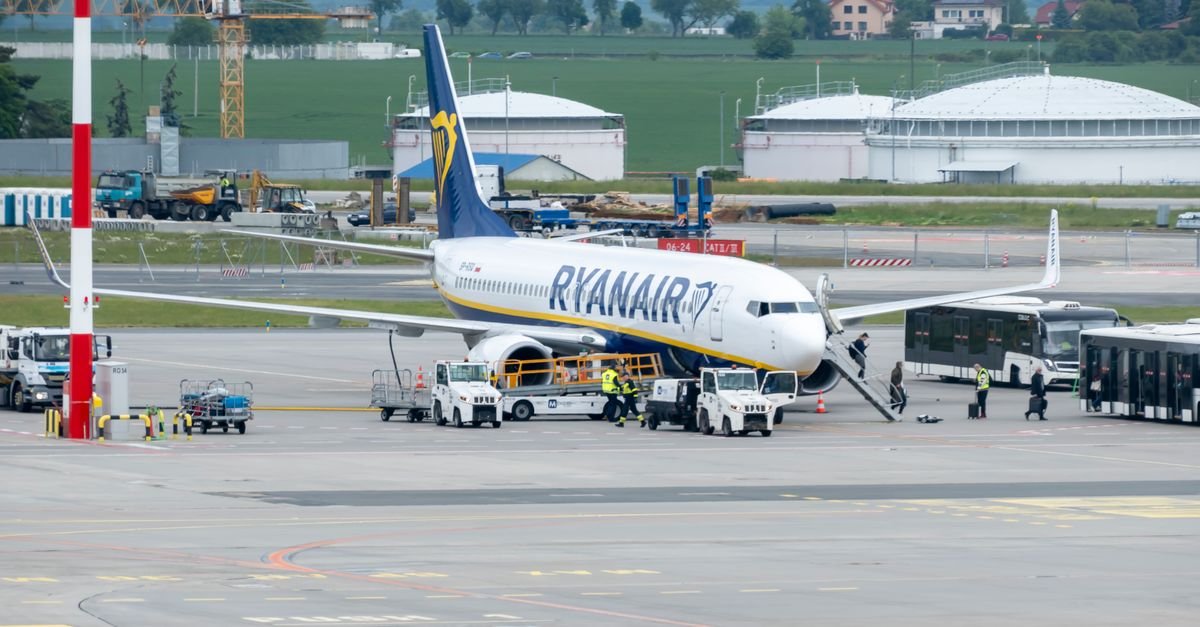
How the budget airline model actually works
The business model is unbundling. A traditional fare bundles the seat, a bag, a seat assignment, check-in and often food into one price. A budget airline strips all of that out, prices the seat alone, and sells the rest separately.

Free download: WanderOza Travel Planning Kit
Compare flights, stays, tours, eSIMs, transfers, and deal rules before you book.
That has two consequences worth understanding. First, the headline fare is genuinely low, because it reflects a smaller product. Second, the extras are priced to be profitable rather than to recover cost, which is why a bag can cost a significant fraction of the fare.
There is a third, less obvious element: fee timing. Charges rise the later you add them. Booking is cheapest, the app is dearer, the airport desk is dearest, and the gate is worst of all. This is deliberate, and it means disorganisation is the most expensive thing you can bring on a budget airline.
What a budget airline fare does and does not include
The table lists what to check on the booking page. Treat every row as a question rather than an assumption, because policies differ between carriers and change.
| Item | Usually in the fare? | Cheapest point to add | Notes |
|---|---|---|---|
| Seat on the aircraft | Yes | Not applicable | The fare buys this and little else |
| Small personal item | Usually | Not applicable | Must fit under the seat |
| Full-size cabin bag | Often not | At booking | The single largest variable |
| Checked bag | No | At booking | Weight bands are narrow |
| Seat assignment | No | At booking | Random allocation otherwise |
| Airport check-in | Often chargeable | Check in online | Some carriers charge at the desk |
| Printed boarding pass | Often chargeable | Use the app | Check whether a printout is required |
| Priority boarding | No | At booking, if at all | Sometimes bundled with a cabin bag |
| Changes | No | At booking, as a bundle | Fees are often high relative to fare |
| Food and drink | No | Bring your own | Onboard prices are high |
| Payment surcharge | Varies | Use a card without a fee | Check at the final step |
A framework for pricing a budget airline properly
Four steps. Doing them in order prevents nearly every unpleasant surprise.
The cabin bag is where budget airline pricing bites
If there is one thing to check before booking, it is the cabin bag allowance for the specific fare.
Broadly, policies fall into roughly three shapes. Some carriers include a full-size cabin bag. Some include only a small personal item that must fit under the seat, and charge for anything larger. Some sell a bundle in which a cabin bag comes with priority boarding, so you cannot buy one without the other.
Because these differ so much, a fare comparison that ignores the bag is meaningless. Two carriers showing similar fares can differ substantially once you add the luggage you are actually taking. Our guide to avoiding airline baggage fees covers the sequencing, and overweight baggage fees explains why budget carriers enforce weight more tightly than most.
In addition, check whether the bag is measured. Many budget carriers have sizers at the gate and use them, which full-service carriers often do not. A bag that has travelled fine for years may not pass.
Secondary airports and the real journey time
Budget carriers often use secondary airports, where landing fees are lower. Sometimes those airports are genuinely convenient. Sometimes they are a long way from the city whose name they carry.
Instead, price the full door-to-door journey. Add the transfer cost at both ends, for everyone travelling, in both directions. Then add the time, and ask whether the arrival hour still works: a late-evening landing at a distant airport can mean an extra hotel night, which alone can exceed the fare saving.
Moreover, for a family, transfer costs scale with the number of travellers while the fare saving does not scale as fast, so secondary airports are relatively worse the larger the group. Our guide to airport transfer options compares the ways of covering that last stretch.
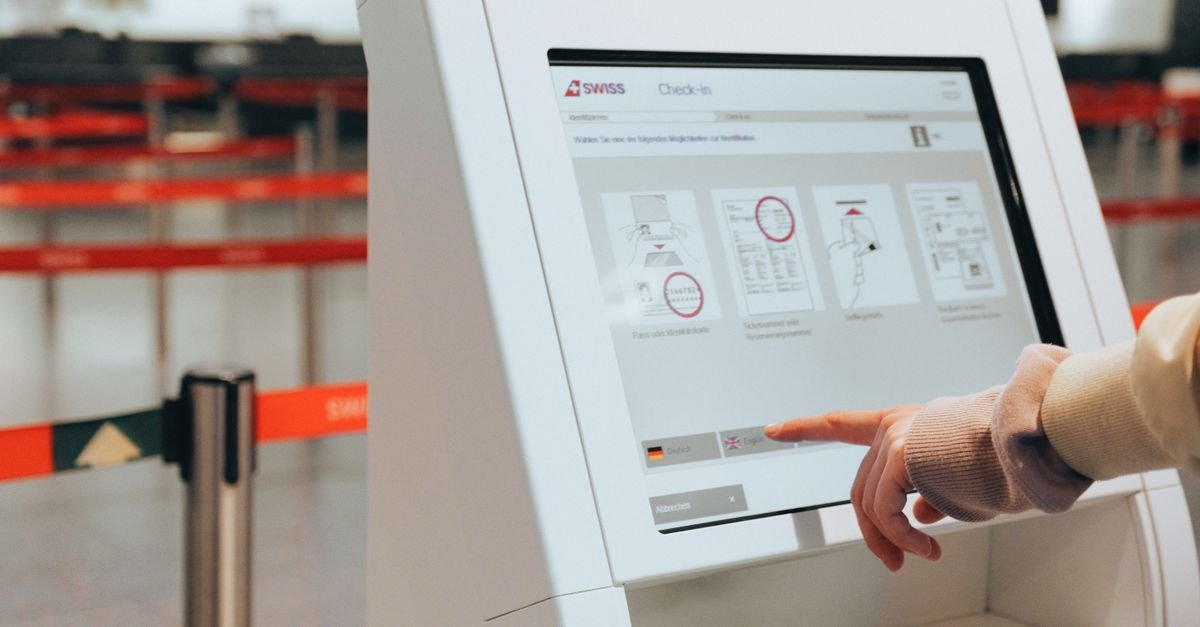
Check-in, boarding passes and avoidable charges
Several budget airline charges exist purely to catch the unprepared, and all of them are free to avoid.
Firstly, online check-in within the permitted window is usually free, while checking in at the airport may not be. Some carriers require a boarding pass in a specific form, and a few still require a printout for certain routes or nationalities. Visa and document checks are sometimes a separate step that must be completed before travel.
Therefore read the confirmation email properly rather than skimming it. It usually states the check-in window, what form of boarding pass is acceptable, and what happens if you turn up without one. These are the cheapest charges to avoid and the most irritating to pay.
Payment and currency at the final step
Two charges appear at the end of the booking flow, after you have mentally committed.
For instance, a payment surcharge may apply to certain card types. Where it does, paying with a different card is usually the fix. And many budget carriers offer to charge you in your home currency rather than the fare currency, which applies a conversion margin. Always choose the fare’s own currency and let your bank convert. Our guide to dynamic currency conversion explains why that is almost always the cheaper option.
Schedule risk and what happens when it goes wrong
This is the cost that does not appear on any booking page, and it is the strongest argument for a full-service carrier on an important journey.
Budget carriers typically run thin networks with one or two flights a day on a route and no interline agreements. If your flight is cancelled, there may be no alternative until tomorrow, and the airline cannot rebook you onto another carrier because it has no arrangement to do so. A full-service airline on a busy route often has several alternatives and partners.
Admittedly, your statutory rights to a refund or rebooking apply either way, and they are not reduced because the fare was cheap. What differs is the practical availability of a solution. For a holiday with slack in it that is an acceptable risk; for a connection to a cruise, a wedding or a non-refundable commitment it may not be.
Finally, never book a tight self-transfer between a budget carrier and another airline. Without an interline agreement, a missed connection is entirely your problem and your cost.
Bundles, and when they are worth buying
Most budget carriers now sell fare bundles that combine a cabin bag, a checked bag, a seat and sometimes priority boarding at a single price. These are worth evaluating rather than dismissed or accepted automatically.
The test is simple. Add up the individual prices of only the items you actually want, then compare that against the bundle. If the bundle is cheaper, take it. If it is more expensive, you are paying for things you do not need, and buying the items separately is better.
Importantly, bundles often include the one thing you cannot otherwise buy. On several carriers a full-size cabin bag is only available inside a bundle with priority boarding, so the comparison is not bundle versus items but bundle versus a smaller bag. That is a different decision.
Bundles also tend to include change rights, which are otherwise expensive on a budget carrier. If the date has any chance of moving, that component can carry most of the bundle’s value on its own.
Seat assignment on a budget airline
Seat charges deserve separate thought, because the incentives differ from a full-service carrier.
Budget carriers allocate seats at check-in when you have not paid, and there is a widely held belief that travelling companions are deliberately separated to encourage payment. Whatever the mechanism, the practical outcome is that two people on the same booking frequently are not seated together unless one of them pays.
Therefore decide whether sitting together matters. On a short flight with two adults, it usually does not, and the charge is avoidable. With a child, it effectively does, and the charge should be treated as part of the fare rather than as an optional extra. Our note on airline seat selection fees covers how these charges are structured across carriers.
When a budget airline is the right choice
- Short journeys where comfort matters little.
- Hand luggage only, where the fare covers what you are carrying.
- Primary airports at both ends, or a cheap and quick transfer.
- Flexible plans, where a day’s delay is an inconvenience rather than a disaster.
- Solo or couple travel, where transfer costs stay small.
- Routes where no full-service carrier flies at a sensible price.
When to pay for a full-service carrier
- Checked bags for several people, where the extras accumulate.
- Tight onward connections, including cruises and other non-refundable commitments.
- Long journeys where seat comfort and included food start to matter.
- Thin routes with one flight a day, where a cancellation strands you.
- Travel with young children, where seat assignment is effectively compulsory.
- When the totals are close, since the flexibility comes free at that point.
A checklist before you book
- Does the fare include the cabin bag you are actually taking?
- What is the total once bags and seats are added at booking prices?
- Which airports, and what does the transfer cost and take, both ends?
- Is airport check-in chargeable, and what form of boarding pass is required?
- Is there a payment surcharge, and is the currency set to the fare currency?
- How many flights a day run on this route if yours is cancelled?
- Is any onward arrangement non-refundable or time-critical?
- How does that total compare with the full-service fare for the same journey?
Mistakes that cost the most
Comparing headline fares instead of totals. Buying a bag at the airport. Assuming a cabin bag is included. Booking a distant secondary airport without pricing the transfer. Accepting the home currency at checkout. Building a tight self-transfer onto another airline. Arriving without the required form of boarding pass. Each of these is avoidable at booking and expensive at the airport, which is the whole pattern of budget airline pricing.
Frequently asked questions about budget airline costs
Are budget airlines actually cheaper?
Often yes, and sometimes no. It depends entirely on what you add. Price the fare plus the bags and seats you will actually buy, plus transfers to and from the airports used, then compare that total against a full-service fare for the same journey.
Can I bring a cabin bag on a budget airline?
It depends on the carrier and the fare. Some include a full-size cabin bag, some include only a small item that fits under the seat, and some sell the bag bundled with priority boarding. Check the allowance for your specific fare before booking.
Why is it cheaper to add a bag at booking?
Because budget carriers deliberately price extras to rise the later you buy them, with the airport and the gate being the most expensive points. Adding everything during the original booking is the cheapest route.
Do secondary airports really cost more overall?
Sometimes. Add the transfer cost and time at both ends for everyone travelling, and check the arrival hour. A distant airport plus a late arrival can mean an extra night, which can exceed the fare saving.
What happens if a budget airline cancels my flight?
Your statutory rights to a refund or rebooking are not reduced by a cheap fare, but the practical options may be thinner, because budget carriers often run fewer flights and have no agreements to move you onto another airline. Check how frequently the route operates before relying on it.
Should I book a connection between two budget airlines?
Treat it with caution. Without an interline agreement the two tickets are unrelated, so a delay on the first leg makes the second leg your own problem and your own cost. Allow substantial time, or avoid it for anything important.
Comparing the real totals
Affiliate disclosure: Some links in this guide are affiliate links. If you book through them, WanderOza Travel may earn a commission at no extra cost to you, and it does not change what we recommend.
The comparison that matters puts a budget carrier’s full total beside a full-service fare for the same journey, including the airports each one uses. Compare carriers and airports on Aviasales, then add the extras on each airline’s own booking page before deciding.
Because budget networks are thinner, a cancellation is more likely to cost you a night or a missed commitment rather than just time. Compare delay and missed-departure cover with EKTA if the itinerary has something expensive attached to it.
How this guide was researched and an important note
This guide is based on the published fare conditions and optional-charge schedules of low-cost carriers, on how unbundled pricing escalates charges by purchase stage, and on the absence of interline agreements across most of the low-cost sector.
We have deliberately not quoted bag charges, seat fees or payment surcharges. Those differ by carrier, route and the stage at which you buy, they are revised frequently, and a figure remembered from a guide is the most likely thing to be wrong by the time you read it. Every charge is shown on the booking page before you pay, which is where the comparison belongs.
We research and compare booking mechanics rather than reviewing individual carriers. For official US guidance on cancellations, refunds and passenger rights, see the Department of Transportation aviation consumer protection pages, and for general consumer guidance on fee disclosure see the FTC consumer advice site.
Last updated .