
The quick answer on airline seat pitch
Airline seat pitch is the distance between one point on a seat and the same point on the seat in front. It is the number that determines legroom, it varies by aircraft as well as by airline, and it is published for most fleets before you book.
- Pitch is row spacing, not seat size. Width is a separate measurement.
- It varies within one airline. The same carrier flies several aircraft types with different layouts.
- Look up the specific aircraft. The booking page usually tells you which type operates your flight.
- Free legroom exists. Exit rows and bulkheads often have more, with trade-offs.
- Thin seats changed the picture. Lower pitch with a slimmer seatback can feel similar to older, deeper seats.
Consequently the practical move is to check the aircraft type and seat map for your flight rather than relying on a general impression of the airline. That takes two minutes and is the only reliable method.
What airline seat pitch measures, and what it does not
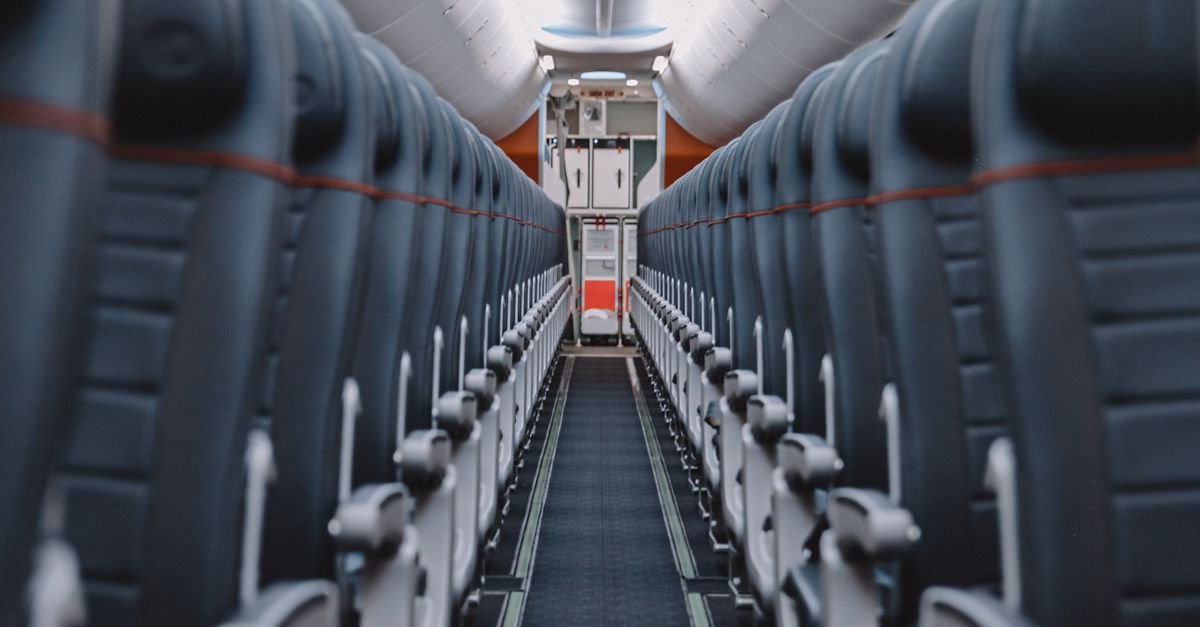
Airline seat pitch is measured from a fixed point on one seat to the same point on the seat ahead. It describes how densely rows are installed rather than how much space your legs have.

Free download: WanderOza Travel Planning Kit
Compare flights, stays, tours, eSIMs, transfers, and deal rules before you book.
That distinction matters because the seat itself consumes part of the pitch. A thick, heavily padded seatback takes more of the gap than a slim one, so two aircraft with identical pitch can feel different.
Seat width is separate, measured between armrests, and it is determined mostly by how many seats are installed across the cabin. An aircraft configured with an extra seat per row has narrower seats regardless of pitch.
Recline is a third variable. Where a seat reclines into your space, usable legroom depends on the passenger in front. Fixed-recline and pre-reclined seats remove that uncertainty.
So pitch is the best single indicator available, but treat it as one input rather than the whole answer.
Airline seat pitch by seat type: where the legroom is
The table sets out the seats worth seeking and what each costs you.
| Seat type | Legroom | Trade-off | Usually costs |
|---|---|---|---|
| Exit row | Often the most | No under-seat storage at takeoff, duties in an emergency | Often a fee or status |
| Bulkhead | More ahead, no recline in front of you | No under-seat storage, sometimes bassinet position | Often a fee |
| Extra-legroom economy | Several inches more | Paid, and not all rows are equal | A fee |
| Front of cabin | Same as standard | None, but you leave sooner | Sometimes a fee |
| Aisle seat | Same, feels more | Disturbed by the aisle | Often free to select |
| Last row | Sometimes less, limited recline | Near galleys and lavatories | Usually free |
| Middle seat | Same pitch, least space overall | No armrest control | Usually the cheapest |
A framework for getting more legroom
Four steps, and the first two cost nothing.
Checking the aircraft and the seat map
Most booking pages display the aircraft type, often in small text beside the flight number. That is the piece of information everything else depends on.
Once you have it, seat map resources let you see the specific layout, including which rows have extra pitch, which have restricted recline, which are near lavatories and which have a missing window.
Two cautions apply. Aircraft substitutions happen, so the type shown at booking is not guaranteed on the day. And airlines refit cabins over time, so an old seat map may not match the aircraft you board.
Nevertheless, checking is far better than guessing. The commonest seating disappointments are entirely predictable from a seat map read in advance.
Exit rows and bulkheads
These are where free or cheap legroom is concentrated, and both carry conditions.
Exit rows usually have the most space, because the exit needs clearance. In return you accept responsibilities in an emergency, you cannot keep anything at your feet during takeoff and landing, and some exit-row seats have reduced or no recline. Airlines also restrict who may sit there, typically excluding children and anyone needing assistance.
Bulkhead rows face a wall or a galley rather than another seat, so nobody reclines into you. However, there is no under-seat storage, the armrests are sometimes fixed and narrower because tray tables fold into them, and bulkheads are frequently where bassinets are fitted.
So neither is simply better. On a long flight the extra space usually outweighs the conditions; on a short one it may not be worth a fee.
Paid extra-legroom economy
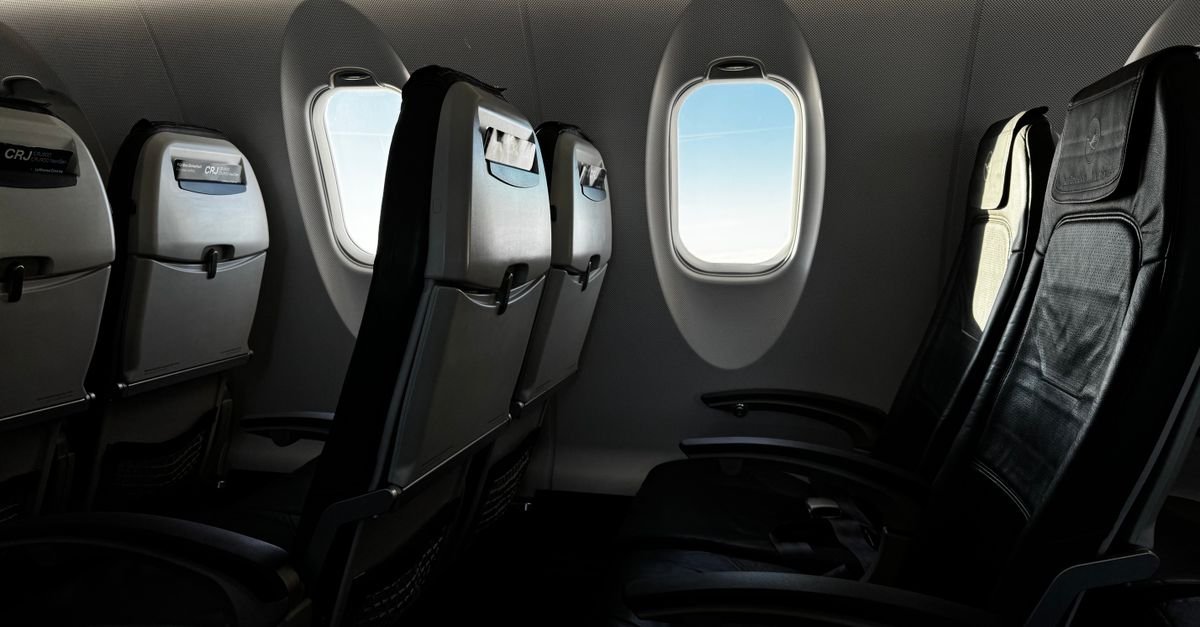
Most carriers now sell an economy seat with additional pitch, sometimes branded as a separate section.
The value depends almost entirely on flight length. On a short domestic hop, additional inches change little. On a long overnight sector, the difference between sleeping and not sleeping is substantial, and these seats are frequently better value than a cabin upgrade.
Three things to check before buying. Which specific rows are included, since not all are equal. Whether it includes anything else, such as earlier boarding, which adds value. And whether your fare permits selection at all, since the most restricted fares sometimes exclude it.
Our note on airline seat selection fees covers how these charges are structured, and basic economy versus main cabin explains which fares allow selection.
Slimline seats changed what airline seat pitch means
Over the past decade airlines have fitted slimmer seats across much of the industry, and this changed what pitch means.
A slimline seat has a thinner seatback, which returns some space to the passenger behind even when pitch is reduced. Airlines used that to install more rows while arguing that usable knee room was unchanged.
In practice the outcome is mixed. Knee room can indeed be similar, while the sense of enclosure increases and under-seat space often shrinks. Thinner padding also affects comfort on long sectors in a way no measurement captures.
Consequently comparing pitch across generations of cabin is unreliable. Comparing pitch between two current options on the same route is still useful.
Tall passengers and practical choices
For taller travellers the marginal value of a few inches is much higher, and a few habits help beyond seat choice.
Prefer an aisle seat, which allows you to extend a leg into the aisle intermittently. Prefer the row ahead of an exit row where recline is restricted behind you, since nothing reclines into you from in front. Avoid the last row, which often has limited recline and less space.
Secondly, keep your under-seat bag small. On many aircraft the space in front is partly occupied by equipment boxes, and a large personal item removes the footwell you were relying on.
Thirdly, on long flights treat paid legroom as a health measure rather than a luxury. Reduced mobility for many hours is uncomfortable and stiffening, and the cost is modest relative to the fare.
Seat width matters alongside airline seat pitch
Width is determined by the cabin configuration, specifically how many seats are installed across the aircraft.
Some widebody aircraft are flown with an additional seat per row by different airlines, which narrows every seat in economy. On those layouts width is a bigger factor than pitch for many travellers.
Armrest position is part of this. A middle seat has no armrest it fully controls, which makes it narrower in practice than the measurement suggests.
So if width matters to you, check the configuration rather than only the pitch. For a long flight, a wider seat with slightly less pitch is often the better choice.
Airline seat pitch on long-haul against short-haul
The same measurement carries very different weight depending on how long you sit in it, and that should drive how much effort you spend.
On a flight of an hour or two, the difference between tight and generous pitch is a minor discomfort. Choosing an aisle seat and keeping your bag small resolves most of it, and paying for space is rarely justified.
Beyond about four hours the calculation shifts. Being unable to change position becomes genuinely tiring, and the cost of extra space starts to look small against the fare.
On overnight sectors it changes again, because the question is whether you will sleep at all. Here recline and the behaviour of the seat in front matter as much as the raw number, which is why a bulkhead or a row ahead of an exit can beat a nominally better pitch elsewhere.
Therefore set your effort by sector length. For a short hop, read the seat map and choose sensibly. For a long overnight flight, treat the seat as part of what you are buying rather than an afterthought.
When the aircraft changes after you book
Substitutions are common and they quietly undo seat planning, so it is worth knowing how to respond.
Airlines swap aircraft for operational reasons, and a different type means a different layout. Your seat number may be reassigned, moved to a different part of the cabin, or cease to exist in the new configuration.
Where you paid for a specific seat and the substitution removes the benefit, you are generally entitled to a refund of that charge. It is rarely automatic, so ask.
Practically, check the seat assignment again a day or two before departure and after any schedule change notification. That is when a substitution shows up, and it is also when the remaining good seats are still selectable.
If the new layout is materially worse and the fare permits a change, moving to another flight is sometimes the better answer on a long sector.
Families, and why legroom is not the priority
With children, seat position usually matters more than pitch, and some of the legroom seats are unavailable anyway.
Exit rows generally cannot be used by children, which removes the cheapest extra space. Bulkheads may be reserved for bassinets, which is useful with an infant and restrictive otherwise.
Being seated together matters more than space. US carriers have been moving toward seating young children with an accompanying adult at no charge, though age limits and conditions differ by airline, so check rather than assume.
Our guide to family travel booking covers the sequencing of rooms, bags and seats for a family trip.
A checklist before you choose a seat
- Which aircraft type operates each leg?
- What does the seat map show for that layout?
- Are there exit or bulkhead rows available, and what are the conditions?
- Is recline restricted in the row you are considering, or behind it?
- Is there under-seat storage in that row?
- How long is the flight, and is it overnight?
- Does your fare allow seat selection at all?
- If travelling with children, are you seated together?
Mistakes that cost the most
Judging legroom by the airline rather than the aircraft. Booking a bulkhead without realising there is no under-seat storage. Taking an exit row with no recline on an overnight flight. Choosing the last row to save a fee. Paying for extra legroom on a short hop where it changes little. Relying on a seat map that predates a cabin refit. Each of these is avoidable with one look at the seat map.
Frequently asked questions about airline seat pitch
What is airline seat pitch?
The distance from a fixed point on one seat to the same point on the seat in front, which determines how densely rows are installed. It is the best single indicator of legroom, though the thickness of the seatback also affects usable space.
Does pitch differ within the same airline?
Yes, frequently. Airlines operate several aircraft types with different cabin layouts, and they refit cabins over time, so the figure depends on the specific aircraft flying your route rather than on the carrier.
Which seats have the most legroom?
Exit rows and bulkheads usually, along with any paid extra-legroom section. Each carries conditions, such as no under-seat storage, restricted recline or emergency responsibilities.
Is paying for extra legroom worth it?
It depends mostly on flight length. On a short sector the difference is small; on a long or overnight flight it is often better value than other upgrades. Check which rows are included and whether anything else comes with it.
Is seat width the same as pitch?
No. Width is measured between armrests and is set by how many seats are installed across the cabin, while pitch is row spacing. On some widebody layouts width matters more than pitch.
Can children sit in exit rows?
Generally not. Airlines restrict exit rows to passengers able to assist in an emergency, which normally excludes children and anyone requiring assistance.
Choosing the flight with the cabin in mind
Affiliate disclosure: Some links in this guide are affiliate links. If you book through them, WanderOza Travel may earn a commission at no extra cost to you, and it does not change what we recommend.
Because pitch is a property of the aircraft rather than the airline, the cabin is part of what you choose when you choose a flight. Compare carriers and aircraft on Aviasales, then check the seat map before selecting.
Long flights in a cramped seat are uncomfortable rather than dangerous, but reduced mobility over many hours is worth taking seriously on a long-haul trip. Compare travel insurance medical cover with EKTA before a long trip.
How this guide was researched and an important note
This guide is based on how seat pitch and width are defined and measured, on how cabin configuration varies between aircraft types and between operators of the same type, and on the restrictions airlines apply to exit row and bulkhead seating.
We have deliberately not quoted pitch or width figures for any airline. Cabins are refitted, aircraft are substituted, and the same type is configured differently by different carriers, so a number remembered from a guide is the most likely thing to be wrong for your flight. The seat map for the specific aircraft operating your route is the reliable source.
We research and compare booking mechanics rather than reviewing individual carriers or cabins. For official US guidance on air travel consumer issues including family seating, see the Department of Transportation aviation consumer protection pages, and for general consumer guidance see the FTC consumer advice site.
Last updated .