
The quick answer on basic economy vs main cabin
Basic economy is not a smaller seat. On almost every US airline you sit in the same cabin, in the same kind of seat, as the passenger beside you who paid more. What you give up is flexibility and control, and the size of that loss depends entirely on which airline you booked and what you planned to bring.
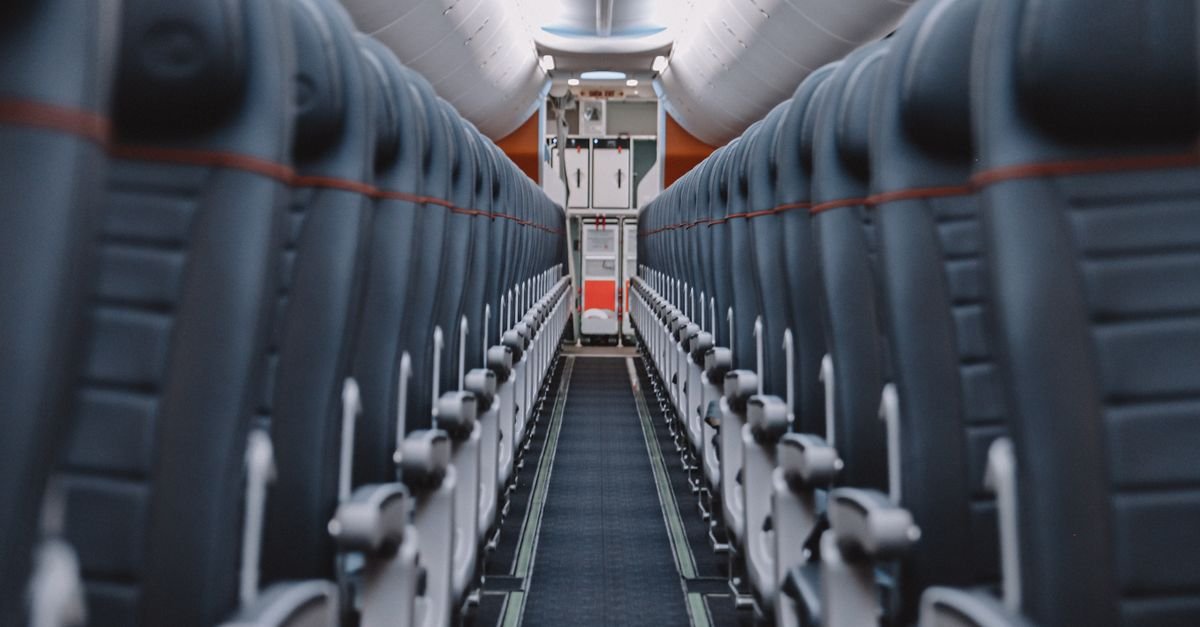
- The seat is the same. Basic economy is a fare class, not a cabin. Pitch and width do not change.
- Carry-on rules are the real divergence. Some carriers let basic economy bring a full-size carry-on, others allow only a personal item that fits under the seat. This single difference decides whether basic economy saves money or costs more.
- Changes and cancellations are where it bites. Main cabin fares on most US carriers now allow changes without a change fee. Basic economy usually does not, and on several airlines it cannot be changed at all.
- Seat assignment is usually paid or random. Travelling as a pair or a family, assume you will be split up unless you pay.
- Compare the total, not the headline. Add the bag you will actually check, the seat you will actually pay for, and the probability you will need to change the date.
The practical test is simple. If you are travelling alone, with only a backpack, on a date you are certain about, basic economy is usually the correct purchase. Change any one of those three things and it often stops being the cheaper option.
What basic economy actually removes
Basic economy was introduced so that full-service airlines could show a price on a comparison screen that sat next to the low-cost carriers. The cabin did not change. The bundle of rights attached to the ticket did.

Free download: WanderOza Travel Planning Kit
Compare flights, stays, tours, eSIMs, transfers, and deal rules before you book.
However, across US carriers the pattern is consistent in shape even though the specifics differ. Basic economy typically removes some combination of: advance seat selection, the full-size carry-on allowance, the ability to change or cancel, upgrade eligibility, priority boarding, and in some cases a share of the miles and elite credit you would otherwise earn.
Crucially, however, airlines do not remove the same things. Treating basic economy as one product is the mistake that costs people money. It is a label applied to meaningfully different fares, and the only reliable way to know what you are buying is to read the fare rules on the booking page for that specific flight.
Basic economy vs main cabin: what changes
The table below compares the dimensions that actually move. Read it as a checklist of questions to ask on the booking screen rather than as a statement of any one airline’s policy, because these rules are changed by carriers regularly and differ by route.
| What you are comparing | Basic economy, typically | Main cabin, typically | Why it matters |
|---|---|---|---|
| Seat and legroom | Same seat, same pitch | Same seat, same pitch | No comfort difference. This is the most common misconception. |
| Advance seat selection | Paid, or assigned at check-in | Included | Decides whether a couple or family sits together. |
| Full-size carry-on | Varies sharply by airline | Included | The single largest cost swing. Check before you book. |
| Personal item under the seat | Included | Included | Always allowed, on every carrier. |
| Checked bag | Paid | Paid, unless status or card | Usually the same either way on domestic routes. |
| Changes | Often not permitted | Usually permitted, fare difference applies | The cost of being wrong about your date. |
| Cancellation for credit | Often not permitted | Usually permitted | Matters most for trips booked far ahead. |
| Boarding group | Last | Earlier | Determines whether bin space still exists. |
| Upgrade eligibility | Usually none | Eligible | Only relevant if you hold status. |
| Miles and elite credit | Reduced on some carriers | Full | Small per trip, compounds over a year. |
| Same-day standby | Usually not permitted | Often permitted | Useful when meetings end early. |
A framework for choosing between basic economy and main cabin
Four questions, in order. The first one that returns a clear answer usually settles it, which is why the order matters.
The carry-on rule is the one that decides it
If you read only one section, read this one. The difference between an airline that permits a full-size carry-on in basic economy and one that does not is the difference between a fare that saves money and a fare that quietly costs more than main cabin.
Moreover, where the carry-on is excluded, the airline is not relying on you to notice. You find out at the gate, where the bag is tagged and a fee is applied that is typically higher than the same bag would have cost if added at booking. That is the expensive path, and it is the common one.
As a result, there are two practical consequences. First, check the baggage rule for the exact fare before you pay, not the airline’s general baggage page. Second, if basic economy does exclude the carry-on and you are carrying one, add the bag at the time of booking rather than at the airport. The gate is always the worst place to buy anything. Our guide to avoiding airline baggage fees covers the order in which to add bags and where the price steps up.
Seat assignment, couples and families
In basic economy a seat is normally assigned when you check in, which means the algorithm places you wherever there is space. On a full flight that means a middle seat, and for two people travelling together it usually means separately.
Therefore the arithmetic is worth doing explicitly. If paying for two seat assignments costs more than the gap to main cabin, main cabin is the cheaper way to sit together, and it also returns the change rights you would otherwise lose. People regularly pay the seat fees on a basic economy ticket and end up above the main cabin price with fewer rights, which is the worst available outcome.
Families with young children are a special case. US carriers have been moving toward seating young children with an accompanying adult at no extra charge, but the age limits and the conditions differ by airline and are not uniform. Do not assume it applies to your booking. Check the airline’s own family seating policy for the route and fare, and if it matters, buy the fare that lets you choose seats. Our note on airline seat selection fees goes through how these charges are structured.
Changes and cancellations: pricing the option
Most large US airlines removed change fees from their standard main cabin fares and deliberately kept them on basic economy. That asymmetry is the point of the product. When you buy main cabin you are buying an option to change your mind, and when you buy basic economy you are selling that option back for a discount.
Consequently, price it as an option. If the gap is small and there is a realistic chance the date moves, main cabin is cheap insurance. If the gap is large and the date is certain, selling the option is rational.
Two things to keep in mind. Changing a main cabin ticket waives the change fee but you still pay any difference in fare, and rebooking close to departure is usually expensive. And on several carriers basic economy cannot be changed at all, not even for a fee, which means the money is simply gone if your plans move. Separately, US rules give you a short window after booking in which a ticket can be cancelled for a full refund. That window applies regardless of fare class and is worth knowing about, and the DOT Fly Rights guidance sets out how it works.
Boarding order and the overhead bin
Basic economy boards last. On a flight that is not full this is irrelevant. On a full flight it is the moment you discover there is no bin space left near your seat, and your bag is gate-checked.
In practice, gate-checking is usually free when the airline has run out of space, which is a different situation from being charged because your fare did not include a carry-on. The cost is time: you wait at the carousel on arrival. For a tight connection or a same-day return, that delay has real consequences.
Miles, elite credit and status
Some airlines award reduced miles or reduced elite-qualifying credit on basic economy, and some award none. For an occasional traveller, admittedly, this is close to irrelevant. For someone flying regularly and tracking a status threshold, it compounds, and a year of basic economy tickets can leave you short of a tier you would otherwise have reached.
If you are chasing status, treat basic economy as more expensive than it appears by the value of the credit you are forgoing. If you are not, ignore this section entirely.
Upgrades
Basic economy is generally not upgrade-eligible, including with miles, certificates, or status-based complimentary upgrades. If part of the reason you hold status with an airline is the chance of a better seat, booking basic economy removes that chance.
When basic economy is genuinely the right purchase
Nevertheless, it is a good product in specific conditions, and dismissing it is as much an error as buying it blindly.
- You are travelling alone, so seat assignment does not matter.
- You are carrying a personal item only, or the airline includes the full-size carry-on in basic economy.
- The date is fixed. A conference, a wedding, a return leg you cannot move anyway.
- The flight is short, so boarding last and sitting in a middle seat costs you little.
- You do not hold or want status with that airline.
- The gap to main cabin is large rather than nominal.
In that situation basic economy is not a trap. It is the correct answer, and paying for main cabin is buying rights you will not use.
When it is a false economy
- You will check or carry a bag the fare does not cover, and especially if you will add it at the gate.
- You are travelling with someone and will pay for seats to sit together.
- The date might move.
- You have a tight connection, so a gate-checked bag creates a real risk.
- You are close to a status threshold.
- The gap to main cabin is small enough that one paid seat assignment closes it.
How to compare the real total
Do this on the booking page, before you choose, and write the numbers down rather than holding them in your head.
- Start with both fares, including taxes, for the same flight.
- Add the bags you will actually bring, priced at the booking stage, under each fare’s rules.
- Add the seat assignments you will actually pay for, for every person in the booking.
- Add your own estimate of the chance the date changes, multiplied by what a late rebooking would cost.
- Compare the two totals. If they are close, take main cabin, because it carries the flexibility for free at that point.
In short, running this for one trip takes a couple of minutes and usually produces a different answer than the headline fares suggest. If you want to track the fare gap over time rather than decide on one screen, our guide to tracking flight prices with alerts and date grids explains how to watch both fare families at once.
Fare names are not standardised
Finally, there is no industry definition of basic economy. Airlines use different names for the restricted fare, and the same name can mean different things on different routes, particularly on international itineraries where a codeshare partner operates the flight.
Furthermore, on international tickets the restrictions can also be applied by the operating carrier rather than the one you booked with, which produces genuinely surprising outcomes: a fare that allowed a carry-on outbound and does not allow one on the return. The only defence is to read the fare rules for each segment.
A checklist before you buy
- Does this fare include a full-size carry-on, on this route, on this operating carrier?
- Can the ticket be changed? If so, for a fee, or free plus fare difference?
- Can it be cancelled for credit?
- What will seat assignment cost for everyone travelling?
- Does it earn miles and elite credit at the normal rate?
- Is it upgrade-eligible, if that matters to you?
- What is the total under each fare, with the bags and seats you will actually buy?
Mistakes that cost the most
Adding a bag at the gate rather than at booking. Paying for seat assignments on a basic economy ticket until the total exceeds main cabin. Assuming a carry-on is included because it was included last time, on a different airline. Assuming family seating is automatic. Booking basic economy for a date that was never actually fixed. Each of these is avoidable in the two minutes it takes to read the fare rules.
Frequently asked questions about basic economy vs main cabin
Is the seat smaller in basic economy?
No. It is the same cabin and the same seat, with the same pitch and width. What changes is your ability to choose which one you get, and when you board.
Can I bring a carry-on in basic economy?
It depends on the airline, and this is the most important thing to check. Some include a full-size carry-on, some allow only a personal item that fits under the seat. Read the baggage rule for the specific fare on the booking page, not the airline’s general baggage page.
Can I change a basic economy ticket?
Usually not. Several US carriers do not permit changes to basic economy at all, and others permit them only for a fee. Main cabin fares on most large US airlines allow changes without a change fee, though you still pay any fare difference.
Will my family be seated together?
Not reliably, unless you pay for seats. US carriers have been moving toward seating young children with an accompanying adult at no charge, but age limits and conditions differ by airline and are not uniform. Check your airline’s family seating policy for your route rather than assuming.
Does basic economy earn miles?
Often at a reduced rate, and on some airlines it earns no elite-qualifying credit. If you are working toward a status tier, treat that lost credit as part of the fare’s cost.
Is basic economy ever the better buy?
Yes, frequently. Travelling alone, with hand luggage the fare covers, on a date that will not move, it is the correct purchase and main cabin is buying rights you will not use.
Comparing fares across airlines
Affiliate disclosure: Some links in this guide are affiliate links. If you book through them, WanderOza Travel may earn a commission at no extra cost to you, and it does not change what we recommend.
Comparing basic economy against main cabin is easier when you can see both fare families for the same flight side by side, and when you can scan nearby dates at the same time. Compare fares and nearby dates on Aviasales, then open the airline’s own booking page to read the fare rules before you buy, because the restrictions are the part comparison screens summarise least well.
If the reason you are considering main cabin is that your dates might move, it is worth separating two different protections. Flexible fare rules cover changing your own mind; a travel insurance policy covers events that stop you travelling. Compare travel insurance cancellation cover with EKTA if the trip is expensive enough that losing it would matter.
How this guide was researched and an important note
This guide is structured around the dimensions on which basic economy and main cabin fares differ, drawn from the published fare rules and conditions of carriage of the major US airlines and from the US Department of Transportation’s consumer rules on refunds and family seating.
We have deliberately not quoted specific fees, fare gaps, bag prices or seat charges. Those figures change frequently, vary by route and fare, and a number remembered from a guide is the most likely thing to be wrong by the time you read it. Every figure that matters is shown to you on the booking page before you pay, and the airline’s own fare rules are the only authoritative source for the ticket in front of you.
We research and compare booking mechanics rather than reviewing flights we have taken. Nothing here is a claim about a specific flight experience. For the official position on refunds, cancellations and family seating on US itineraries, see the US Department of Transportation aviation consumer protection pages, and check the conditions of carriage published by the airline you are booking.
Last updated .